The Star Open-Ground Problem
Why Star Yards Need a Whole-Property Plan, Not a Pile of Separate Projects
Flat, open ground looks easy to build on until wind, water, and sheer square footage start working against a piecemeal approach.
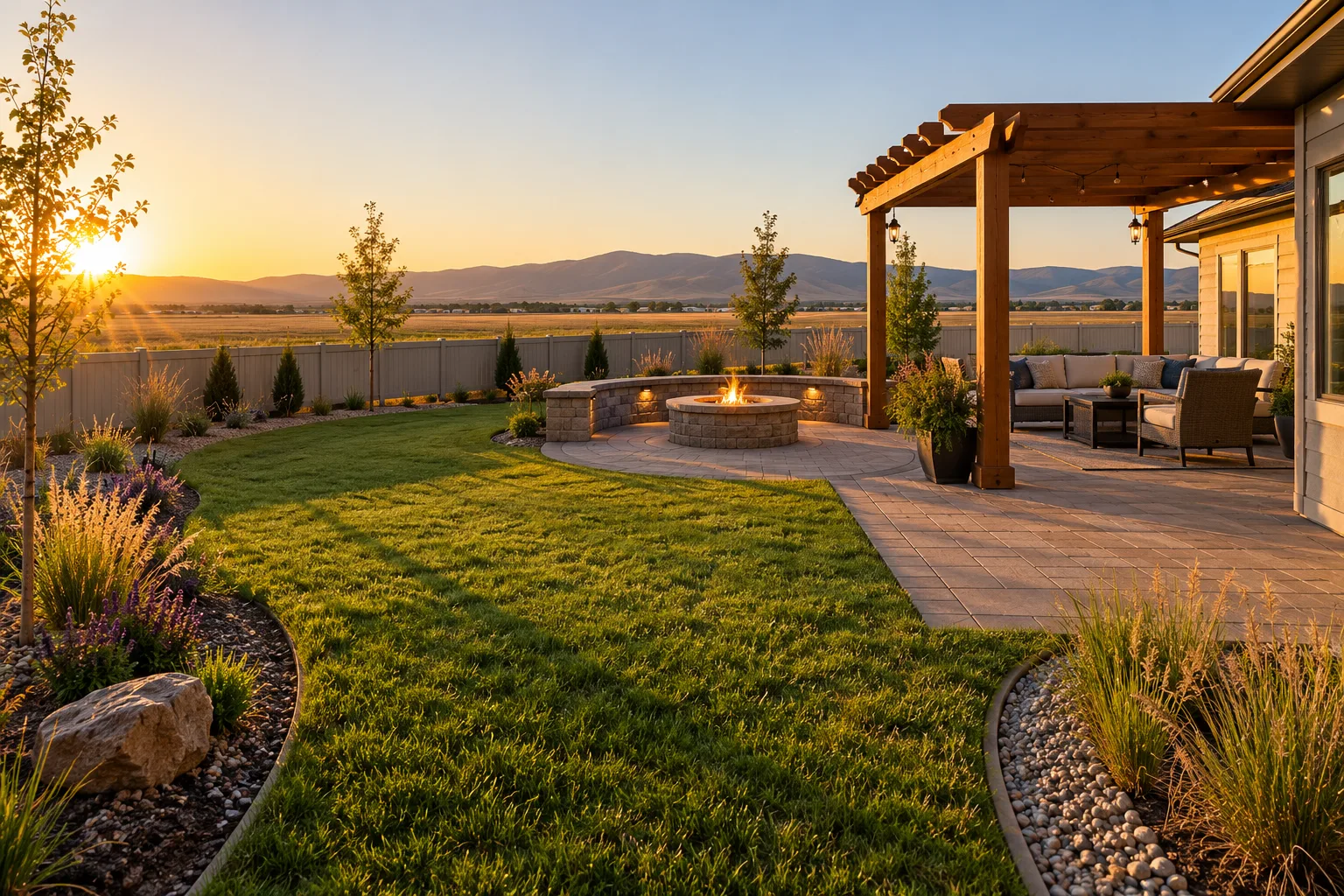
Star changed fast. Fields that grew hay not long ago now hold rows of new homes, and most of those yards arrive as bare dirt or a thin strip of builder sod. There are few mature trees to break the afternoon sun or the wind that rolls across the open ground, so a patio that looks great on paper can feel exposed once it is built. A good renovation here starts by deciding where shade, windbreaks, and gathering spaces actually belong, rather than dropping a catalog layout onto a flat rectangle.
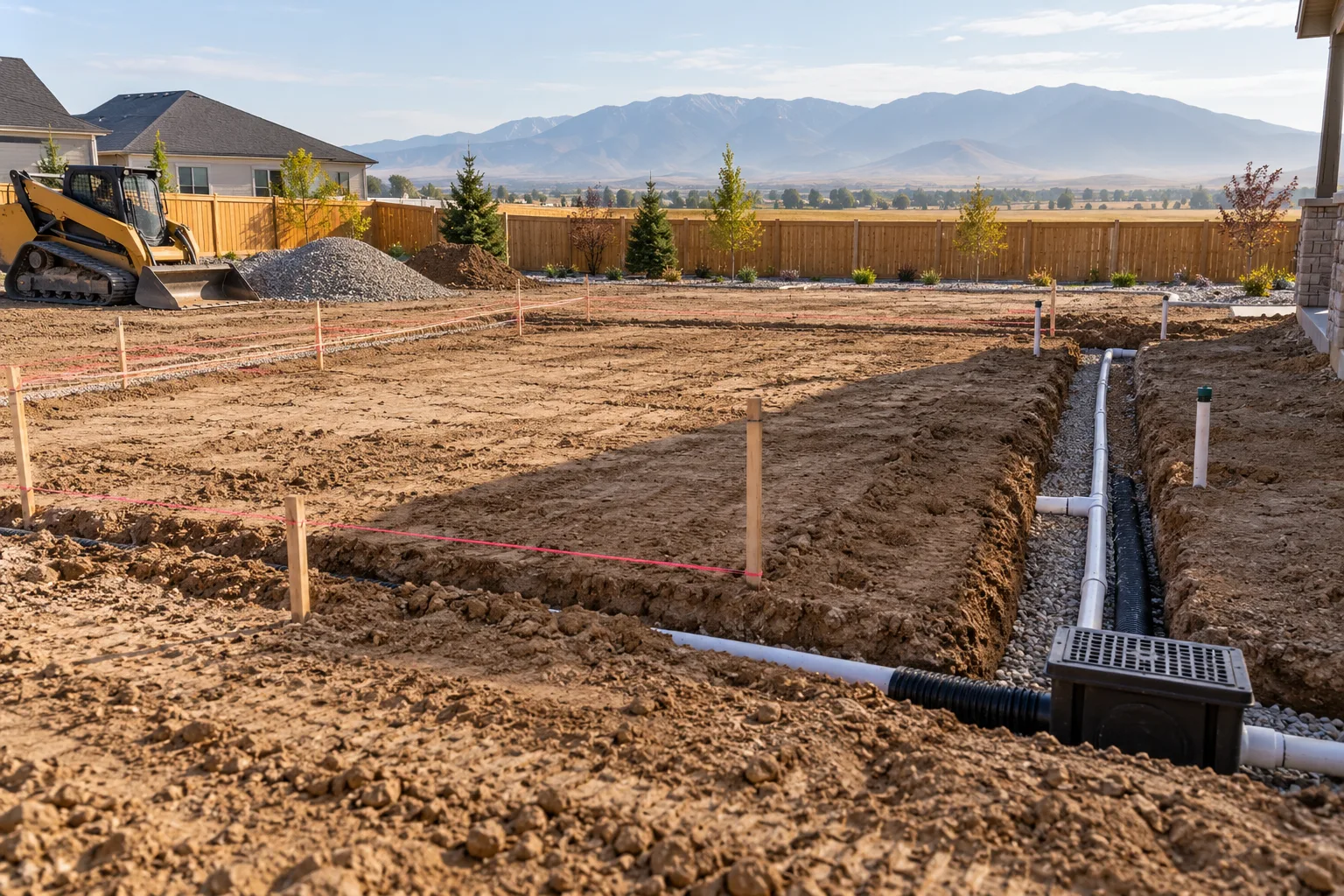
Water is the other half of the puzzle. Subdivisions on both sides of State Street usually run on pressurized irrigation, acreage near the edges of town often depends on canal or ditch water, and some rural properties still pull from a well. Each source behaves differently, and all of them are seasonal. Ground that reads as flat can still hold water against a foundation or push runoff toward a neighbor. That is why grading, drainage, and the irrigation mainline get settled before any paver or post goes in. More on that side of the work: irrigation and drainage in Star.
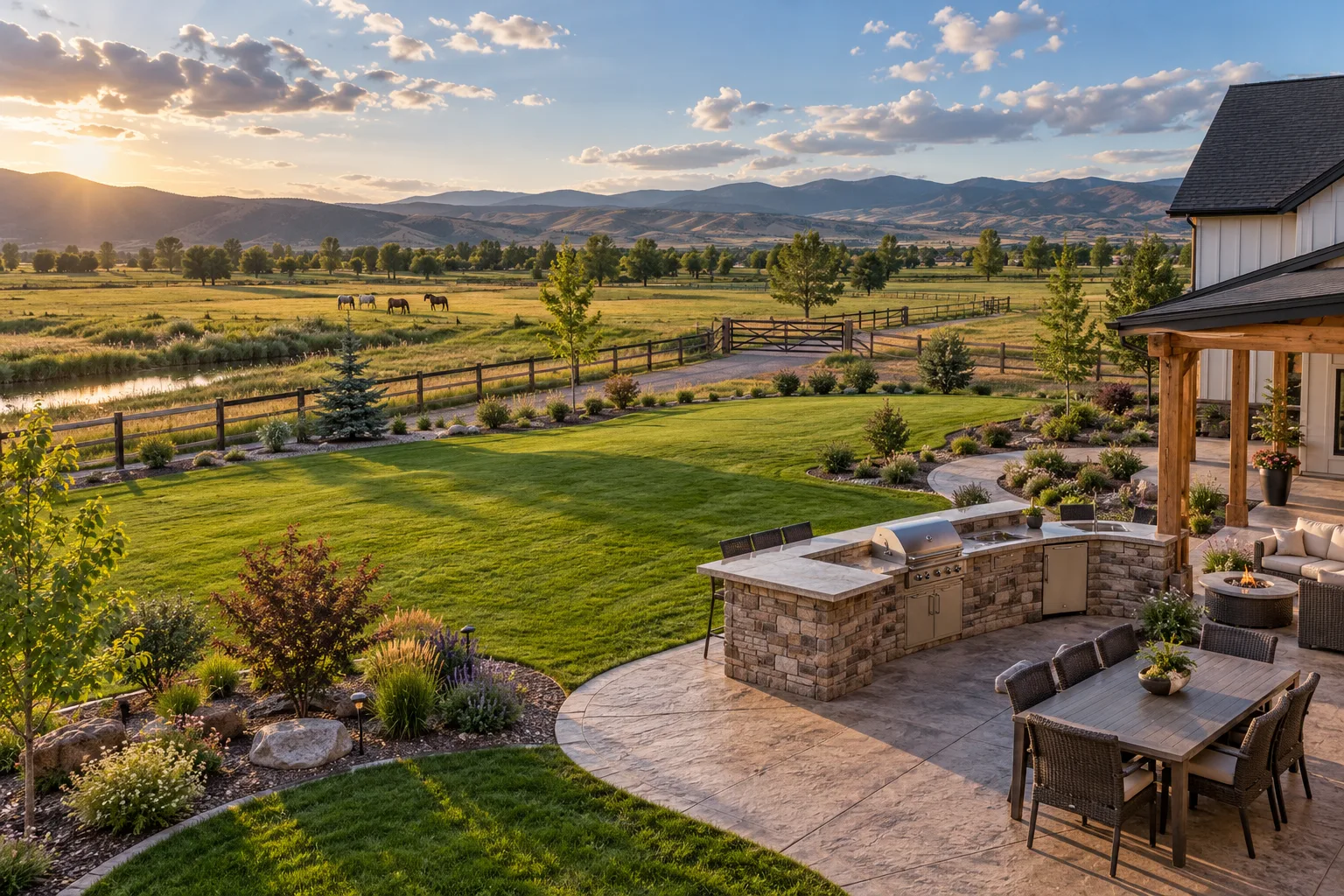
Then there is scale. On a larger lot or a horse property out toward the Canyon County side, a renovation can mean long fence runs, irrigation zones stretching across big footprints, an RV pad that needs clean access, and a lawn that has to live alongside pasture. Juggling a fence crew, an irrigation installer, a concrete outfit, and a landscaper across that much ground is where projects stall and finger-pointing starts. Star homeowners come out ahead with a single scope that treats the entire property as one connected plan.
How Altavera handles it
We walk the whole property first, noting wind exposure, water source, and how runoff moves, then write one scope that covers every trade. Drainage, grading, and underground lines go in first, hardscape and structures follow, and planting finishes the job. If the budget calls for phases, we stage them in that same order.