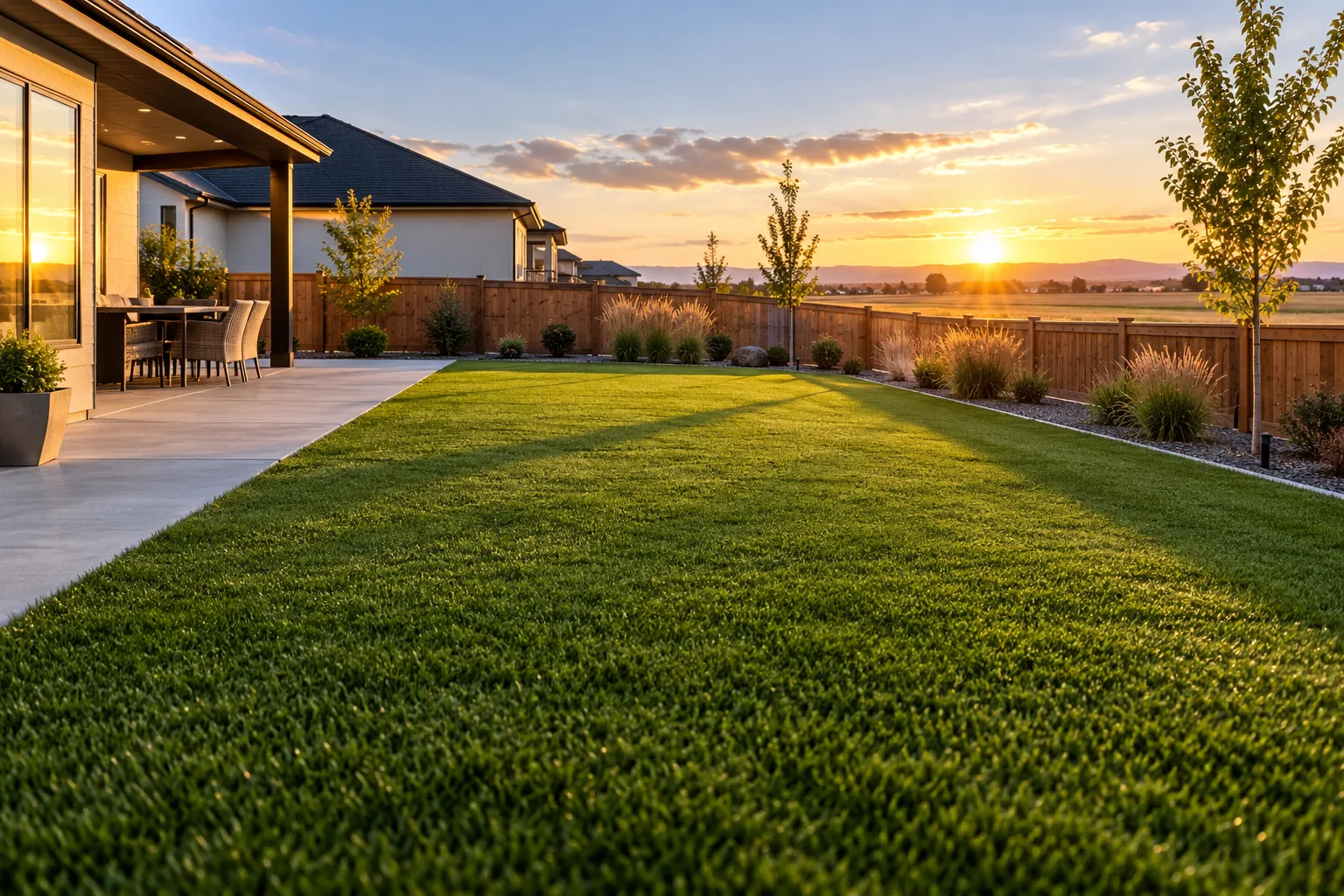
Star sits on open, mostly flat to gently rolling ground north of the Boise River, and a lot of it was farm fields not long ago. Turf has to hold up to that openness first. Wind moves across the subdivisions with few mature trees to slow it, catching any edge that was only tacked down and pushing dust down into the blades. New lots near State Highway 44 often have no windbreak yet, so perimeter edging, where the seams fall, and how securely everything is anchored matter more here than they would on a sheltered lot.
Acreage on the edges of town often gets canal or ditch irrigation, and during the season a neighboring field or pasture can push water toward a turf area. In subdivisions, spray from a neighbor's pressurized irrigation lands on the turf all summer. Water passes through the turf backing, but it only drains if the base below can take it and carry it away. If the ground was just scraped and covered, you get puddles, odor in pet areas, and soft spots. Where a yard needs more than the base can handle, we combine the turf with irrigation and drainage work in Star.
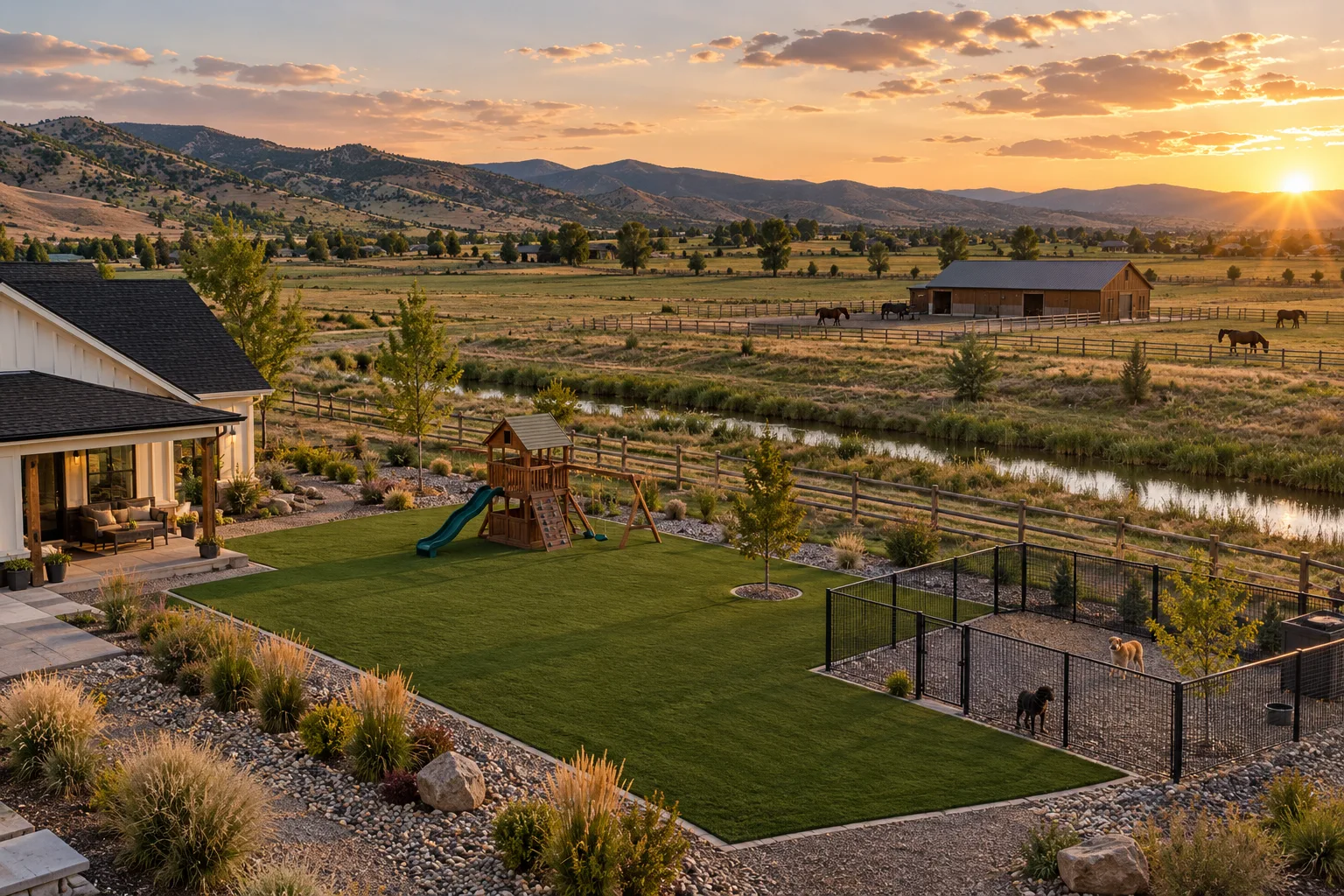
Fast growth has also changed what a Star backyard looks like at move-in. Many new homes come with a bare or lightly graded lot, and builder grading isn't always set up for a turf surface that has to shed water in a particular direction. On larger lots and horse properties, turf usually covers a defined zone like the area near the house, a dog run, or a play space, not the whole footprint. That calls for clean transitions to gravel, planting beds, or native ground. Some subdivisions also have HOA guidelines about turf in front yards, so it's worth checking those early.
How Altavera handles it
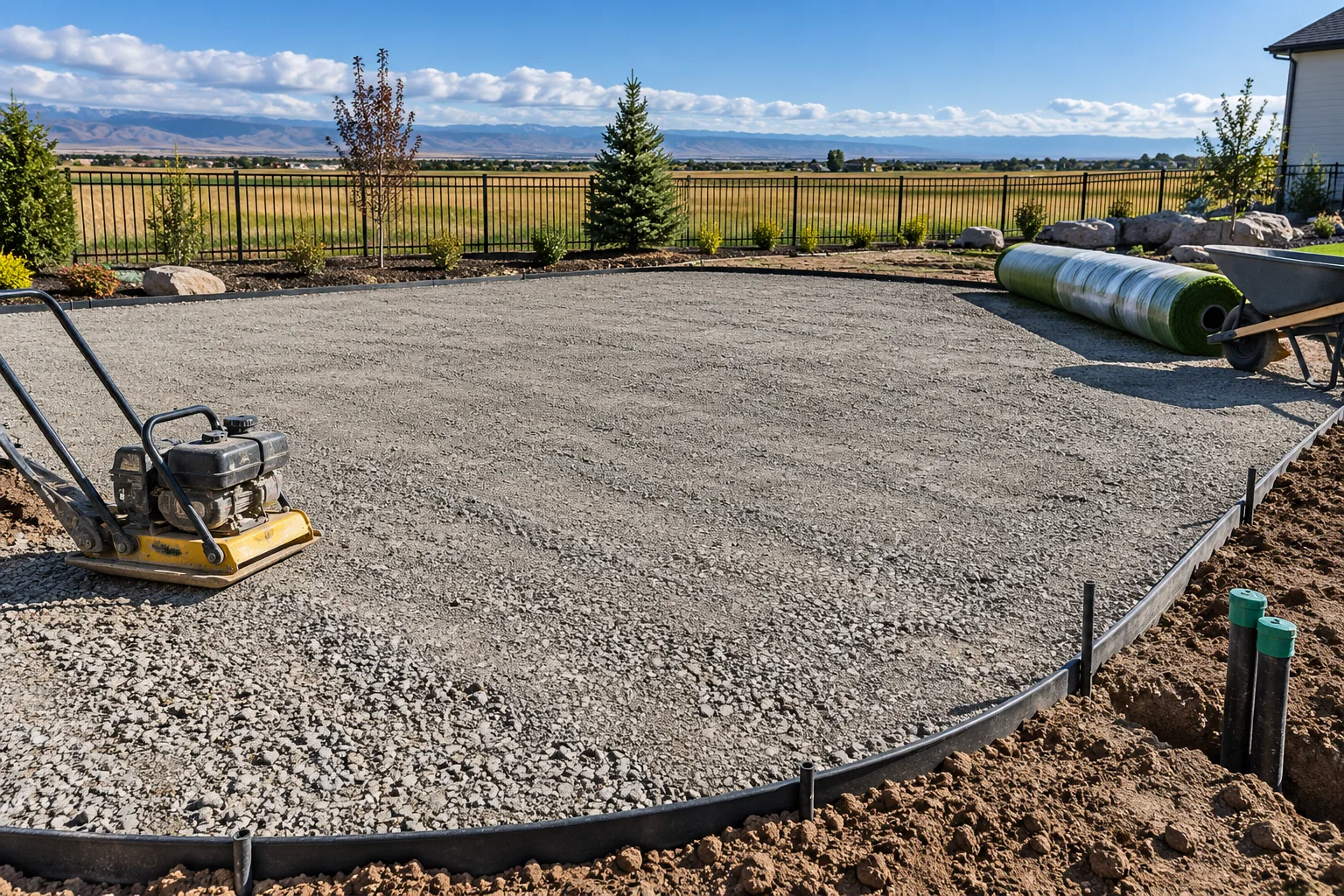
We set grade and drainage before anything else. Then we excavate, compact a drainable aggregate base in layers, and install edging chosen to hold against wind. We keep seams out of the main walking lines where the layout allows. Pet areas get a base and infill approach chosen to make rinsing easy and control odor.