Why Nampa Fences Lean
What Nampa Ground and Wind Do to a Fence and How to Plan Around It
A fence in Nampa is only as steady as the posts underneath it, and the posts are only as steady as the soil, water, and wind around them.
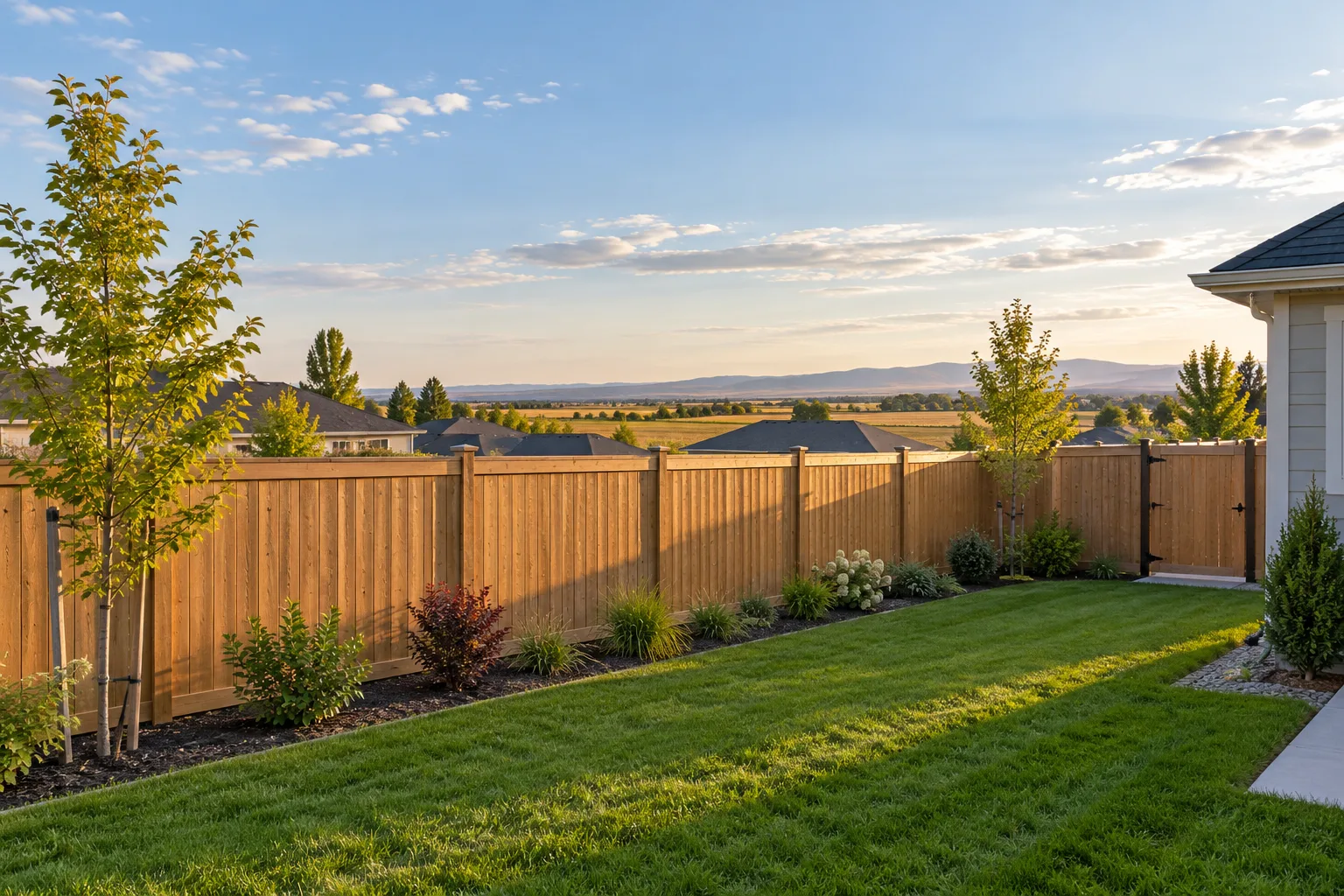
Nampa sits on old farm ground, and that history shows up the moment an auger goes in. Silty topsoil holds water once irrigation season starts, then heaves when it freezes, and a post set shallow in that profile slowly tips out of plumb. Some lots hit hardpan a short way down, which tempts installers to stop early instead of breaking through it. On newer builder lots, the top layer is often loose fill pushed around during grading, sitting over compacted subsoil. Add the open wind that crosses the flat valley floor, and a solid privacy panel behaves like a sail pulling on every post it touches.
Water is the other variable. Many Nampa neighborhoods run on the city's pressurized irrigation utility, and others draw from irrigation district water such as Nampa & Meridian Irrigation District, which means buried laterals, valve boxes, and sometimes ditch easements right where a fence line wants to go. In the subdivisions spreading along the north and west edges, HOA architectural review usually governs height, style, and color, and approval belongs before construction. Downtown Nampa brings different puzzles: older lots, mature tree roots, and property lines that may not match the old fence everyone assumed was correct.
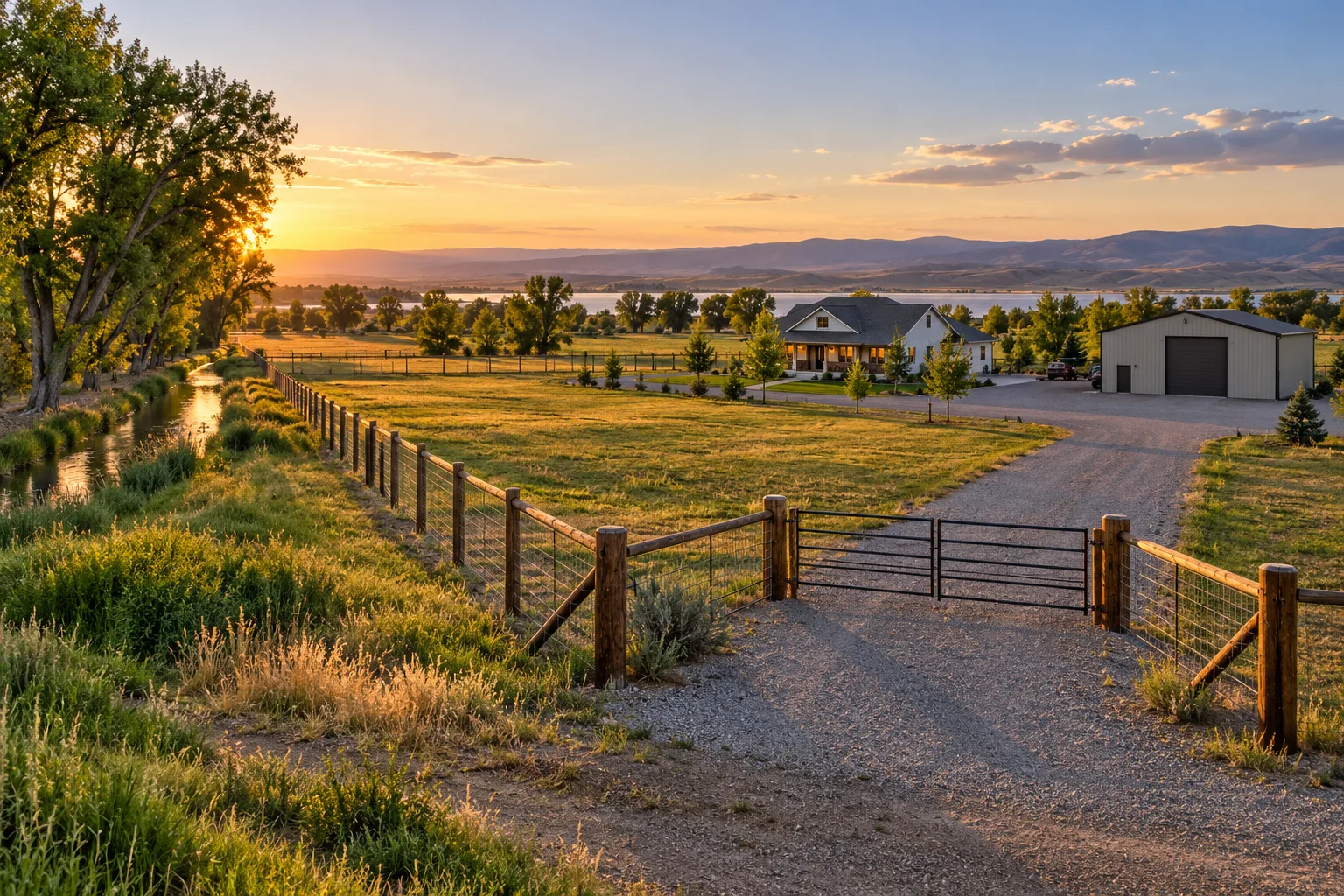
Out toward Lake Lowell, south Nampa, and the edges of town, the questions get bigger. Small acreage owners want perimeter fencing that holds animals, gates wide enough for a trailer, tractor, or RV, and gate posts that will not sag after a season of swinging. Lots that look out toward Deer Flat National Wildlife Refuge are often better served by open fencing that keeps the view. When a new gate opening also needs a parking surface, we coordinate it with hardscape and pad work in Nampa so grade and gate swing line up.
How Altavera plans it
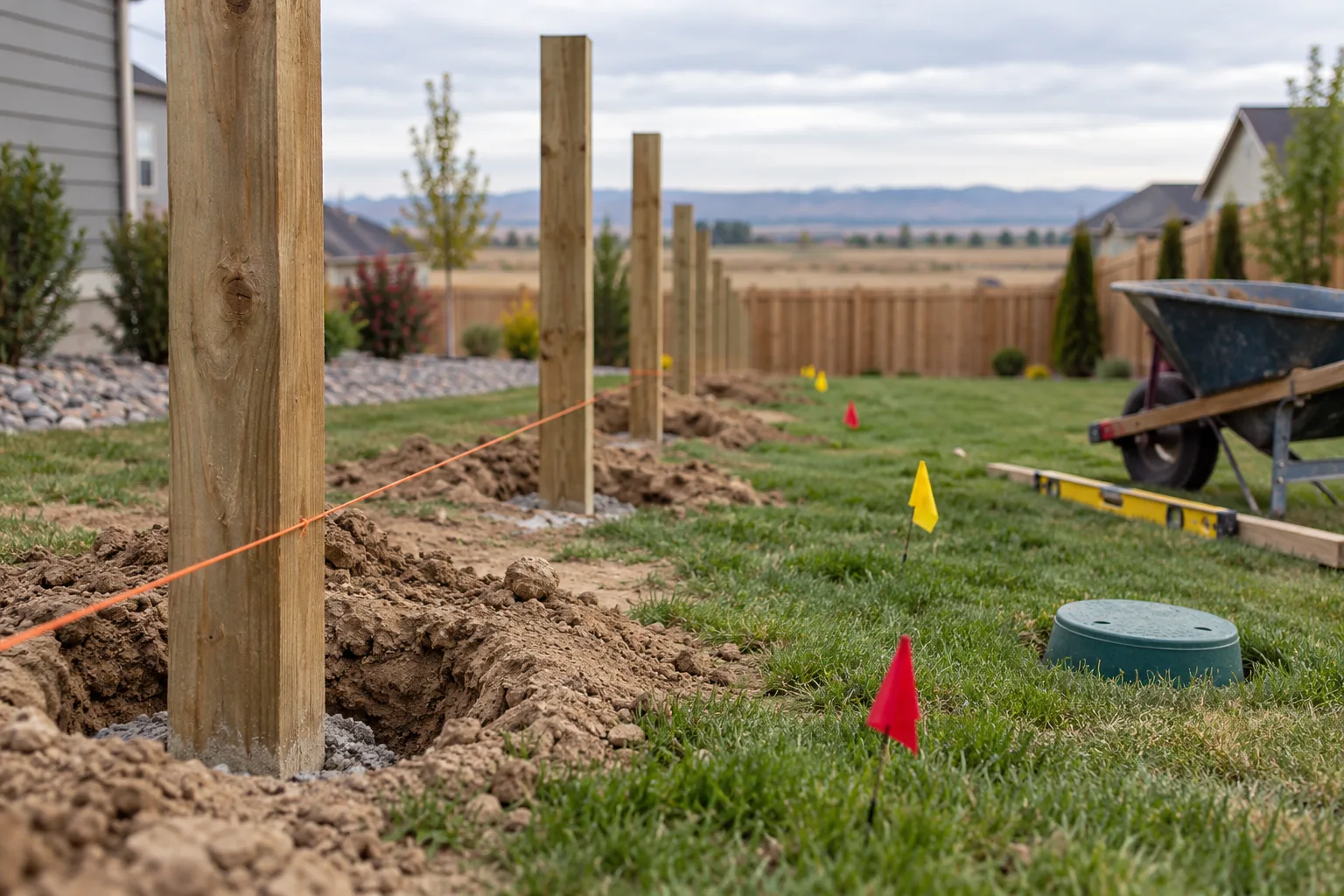
We walk the line before we price it. Utility locates are called, irrigation lines are found, your property line documentation is reviewed, and HOA requirements are gathered so approval comes first. Post depth and footings are planned for Nampa's silty soil, wind exposure, and freeze-thaw, with heavier posts and bracing wherever a gate carries real weight.