The Meridian Fence Line Problem
Why Meridian Fences Lean, Heave, or Get Flagged and How to Avoid All Three
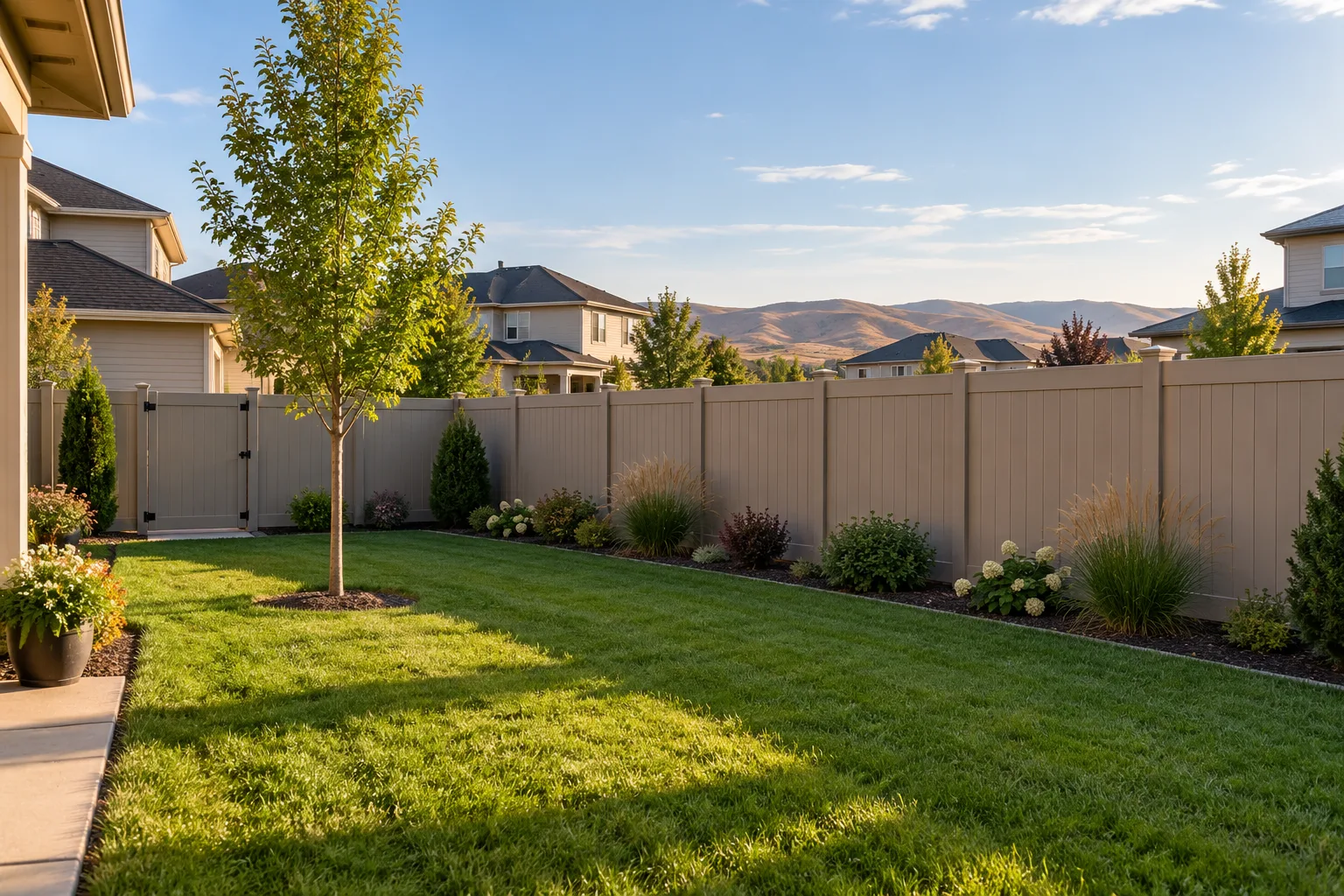
A fence here has to answer to three things at once: the ground under it, the HOA reviewing it, and the neighbor a few feet away.
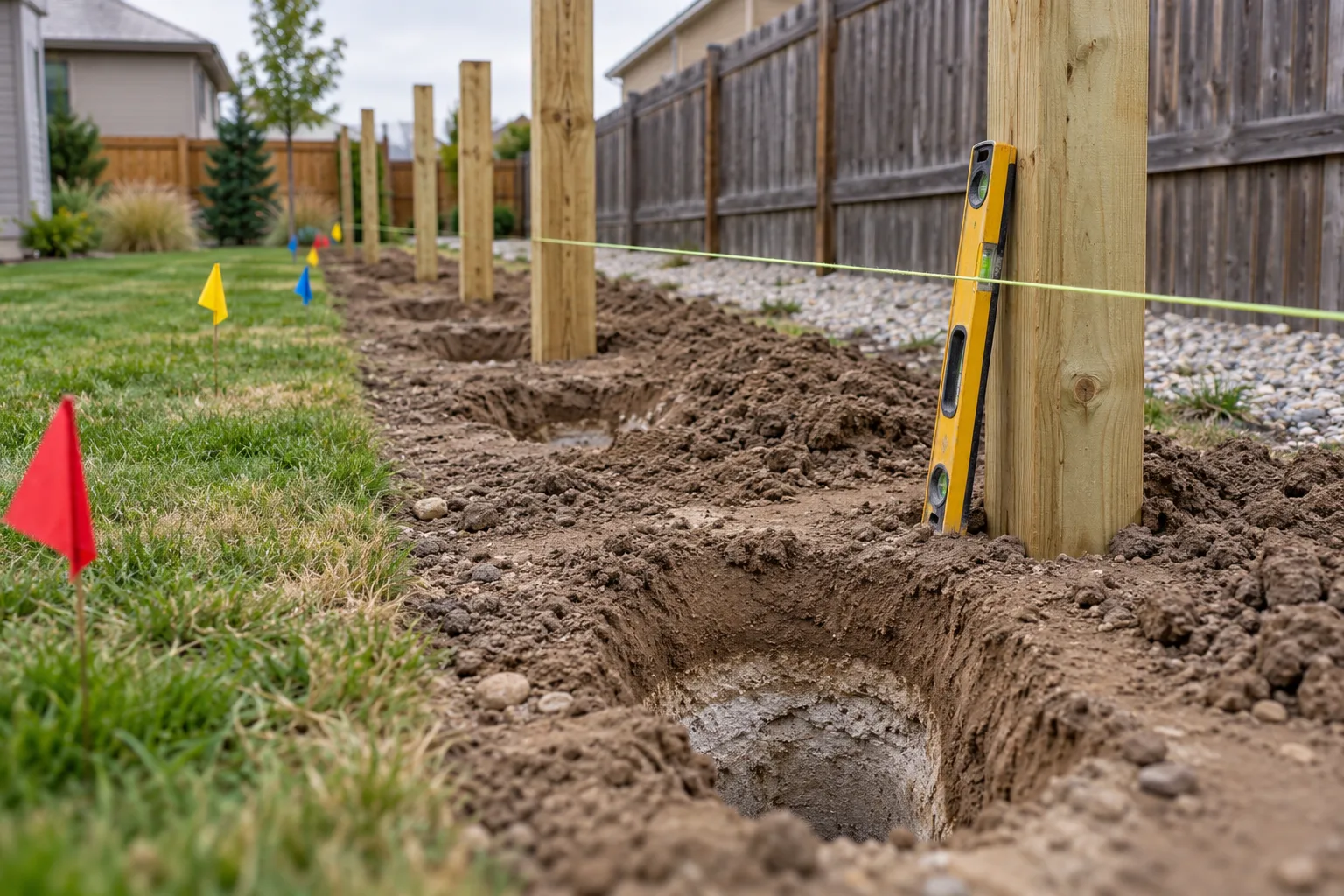
Meridian grew fast on ground that used to grow hay and feed dairy herds. When the subdivisions went in, crews stripped the topsoil, compacted what was left, and spread builder fill to level each pad. That history shows up as soon as an auger goes in. One post hole drops through loose fill, the next stalls on a lens of hardpan or caliche, and a third opens into soft farmland silt that holds water. A fence line that crosses all three needs each post judged on its own, not one depth repeated down the row.
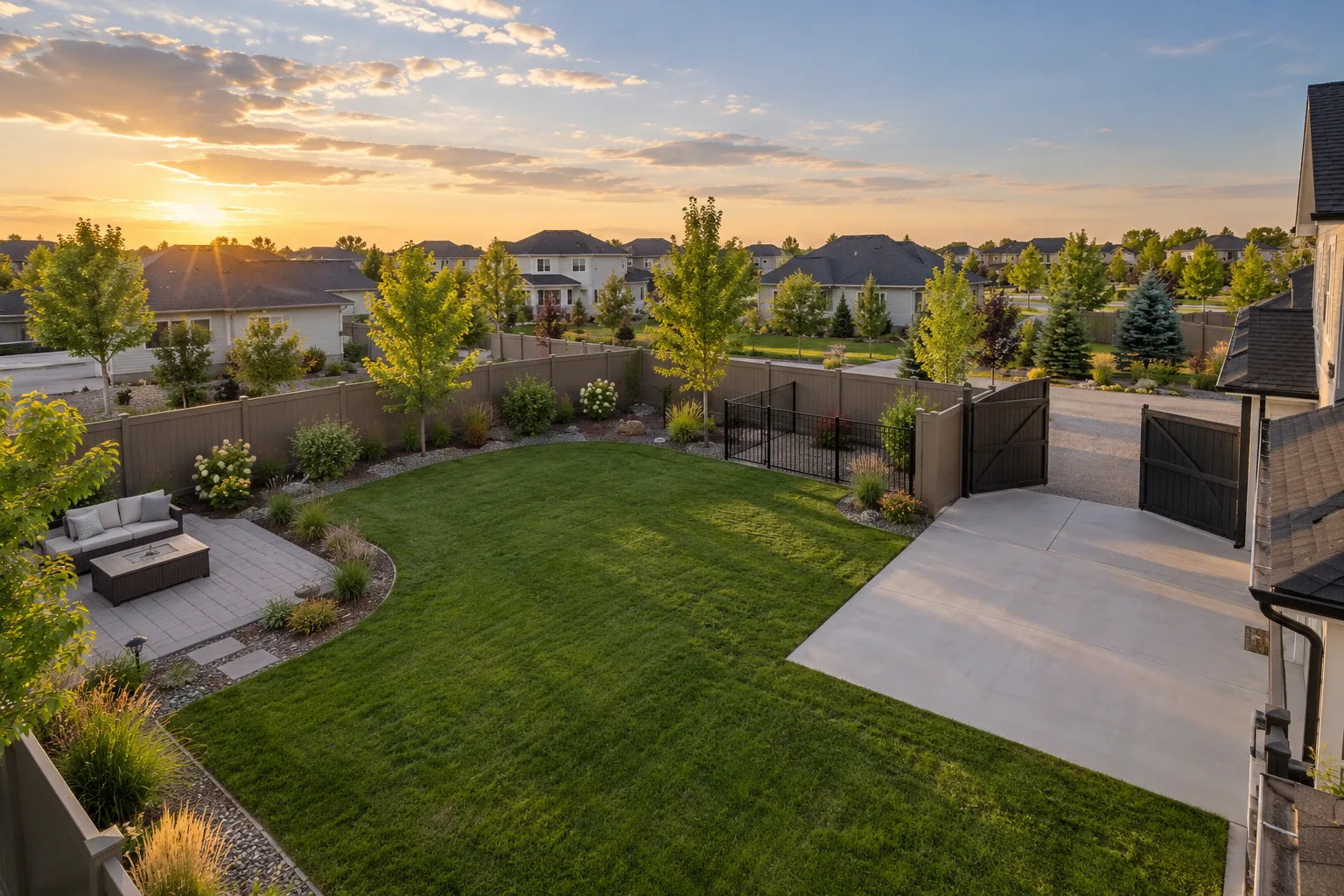
Then there is the approval side. Most newer neighborhoods around Paramount, Bridgetower, the Ten Mile area, and the South Meridian growth areas have CC&Rs that spell out fence height, style, color, and how far forward a fence can sit relative to the house. Architectural review usually wants a drawing or description before anything is built, and a fence that skips that step can end up coming back down. Older ranch-style homes near downtown and Old Town often have no HOA, but they bring their own questions: aging fences, unclear corners, and lot lines nobody has staked in years.
Lots here run small to mid-sized, side yards are narrow, and the neighbor's fence, sprinkler heads, and gas meter are often a short step away. Pressurized irrigation lines from your irrigation district or HOA system cross many backyards and sit idle all winter, which makes them easy to forget until an auger finds one. Drainage matters too. On flat Meridian lots, water moves by subtle grading between houses, and a fence with a buried kickboard or solid bottom can dam that path and leave a soggy strip along the line.
How Altavera handles it
Before layout, we call in utility locates, flag irrigation lines, and confirm where your property line sits. We review your CC&Rs and help prepare what the architectural committee needs. On the ground, we read each post hole as it is dug, adjust for fill or hardpan, and keep the fence bottom clear of the drainage path between lots.