The Garden City Turf Challenge
Small Yards, Wet Ground, and Why Turf Needs a Plan Here
In Garden City, the space is tight and the water is close, so turf has to be built for both.
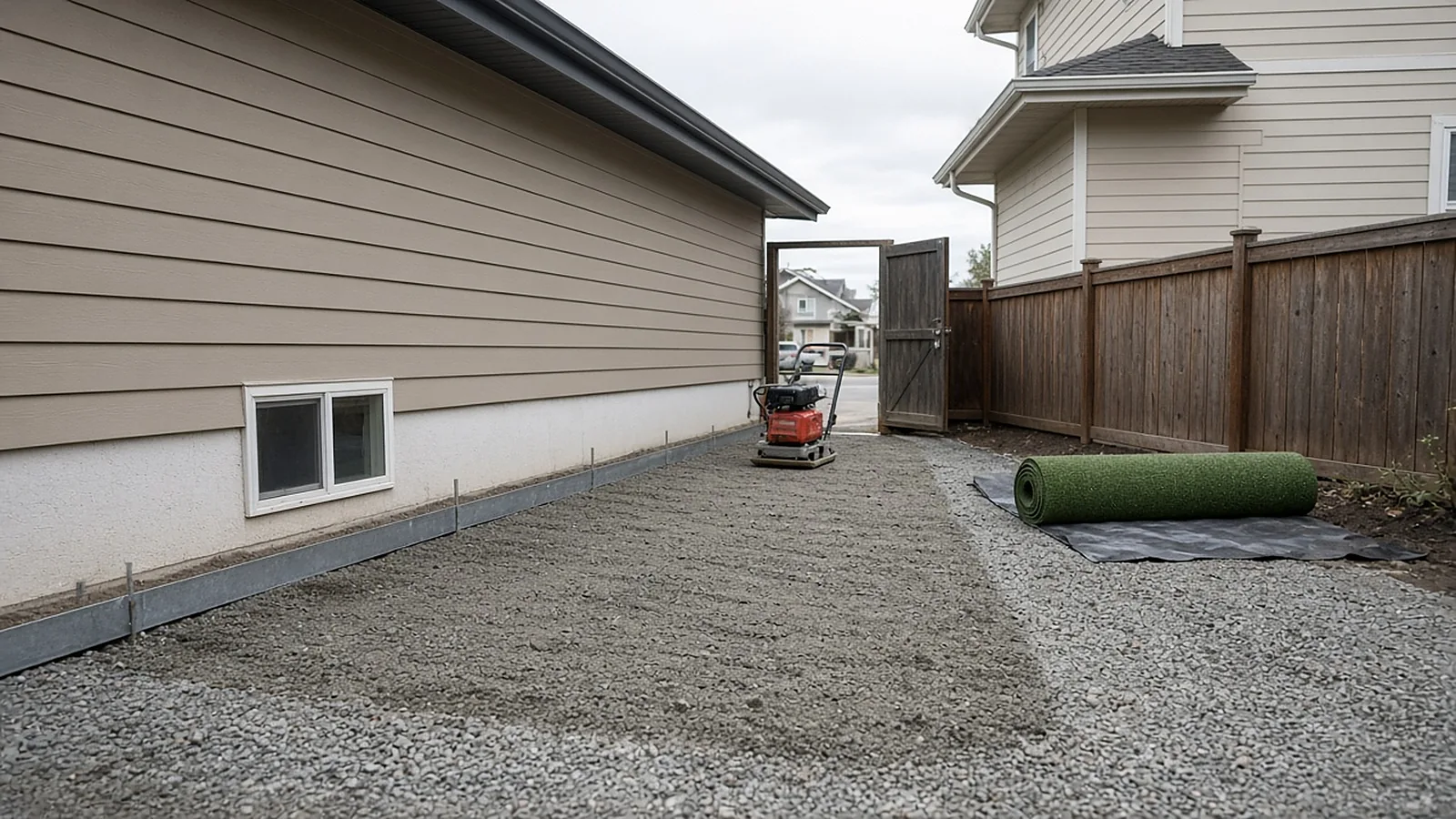
Garden City packs a lot of variety into a small footprint. Older cottages on narrow lots sit a few blocks from new riverfront townhomes and infill builds, and many of these yards are measured in a handful of strides rather than acres. When the whole backyard is the size of a living room, a muddy corner or a dead patch where the dog runs is not a minor annoyance. It is most of the yard. Narrow side gates and shared walls also limit how equipment and base material get in, so the dig and haul plan has to be worked out before the first cut.
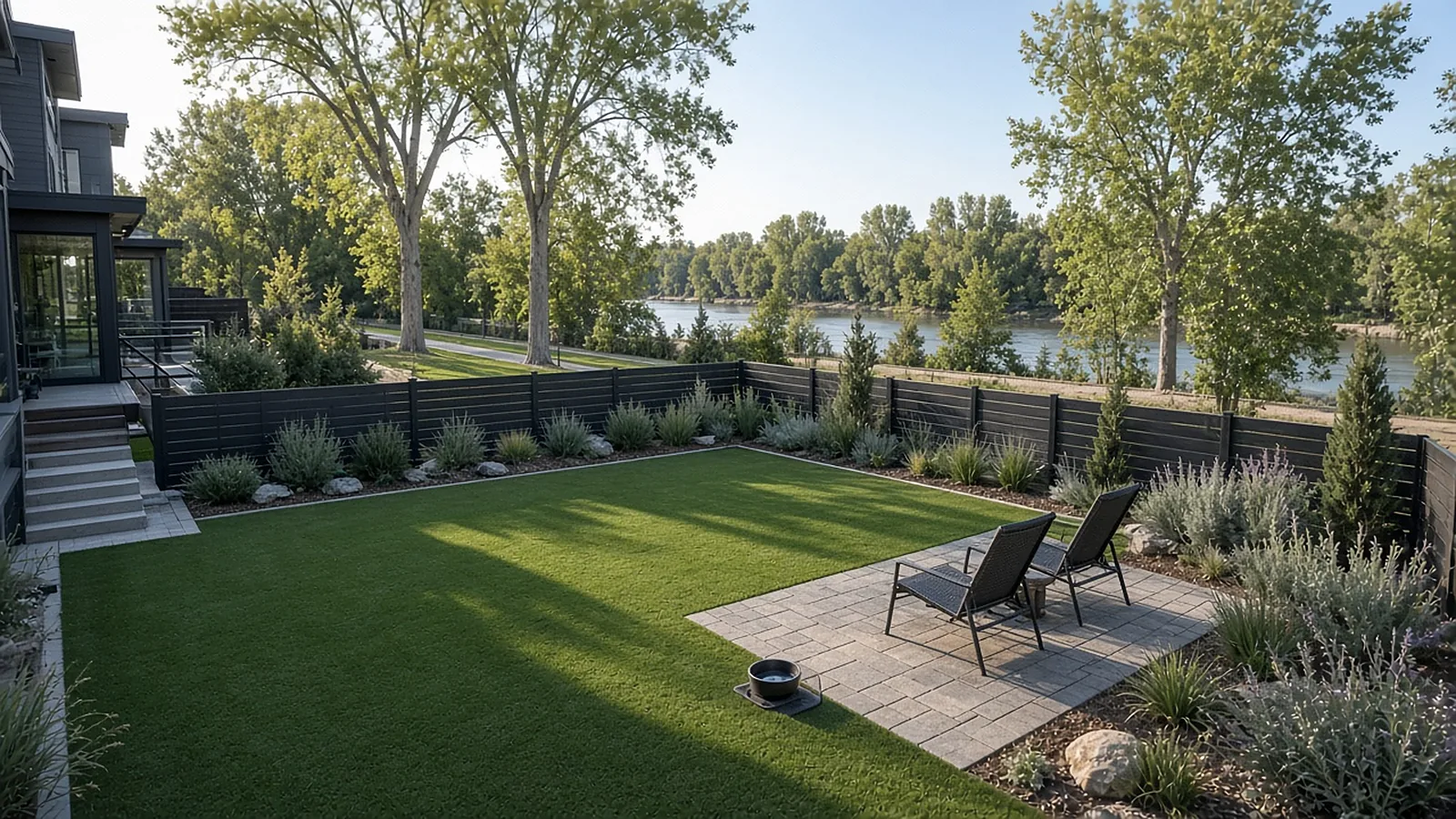
Water is the other half of the story. Along the Boise River and the Greenbelt, and around the ponds in Lake Harbor, groundwater can sit closer to the surface, and some parcels raise floodplain questions worth checking before any excavation. Turf drains straight down through its backing, so if the base below cannot shed that water, it puddles, smells, and softens underfoot. Pet areas make it more urgent, since rinse water and urine need a clear path away rather than a place to linger. On some lots, drainage work in Garden City has to come first.
Irrigation adds a twist. Some older Garden City streets still run canal or ditch water, newer developments use pressurized irrigation, and others rely on municipal supply. Converting lawn to turf means existing heads and lines have to be capped, rerouted, or kept for the beds that remain, and nobody wants a forgotten spray head soaking new turf every morning. Around the Plantation area and other established neighborhoods, mature trees and their roots shape where edging can go and how deep excavation can safely run, so the layout has to respect what is already growing.
How Altavera handles it
We walk the lot with water in mind: where it sheds, where groundwater may sit high, and where irrigation lines run. Base depth and makeup are set for those conditions, existing heads are capped or rerouted, and access is planned around tight gates so the neighbors and the finished yard stay clean.