The Garden City Landscape Challenge
Why Small Garden City Yards Need a Smarter Landscape Plan
In a city this compact, every foot of yard has a job, and the ground beneath it is not always as dry or as simple as it looks.
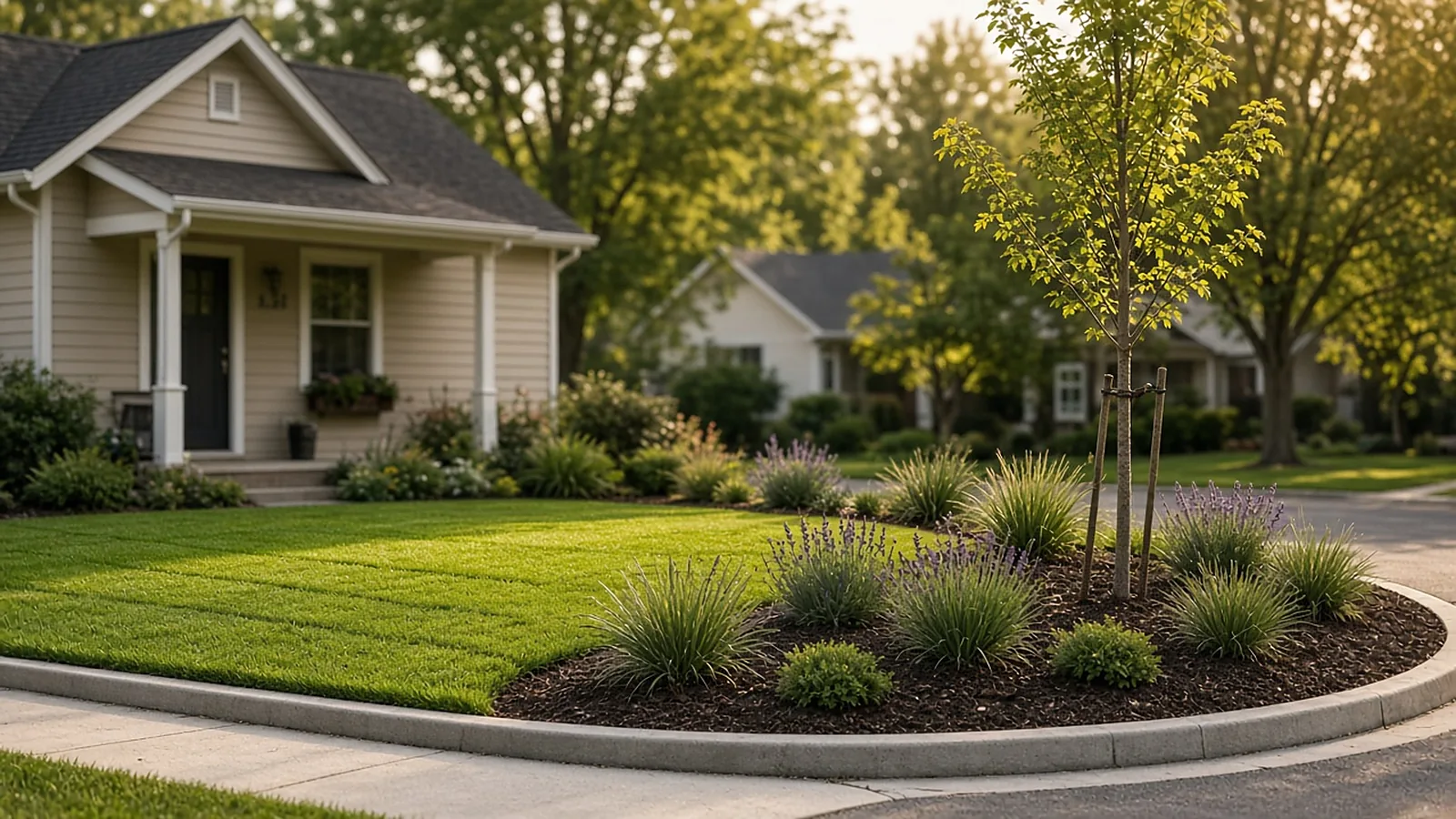
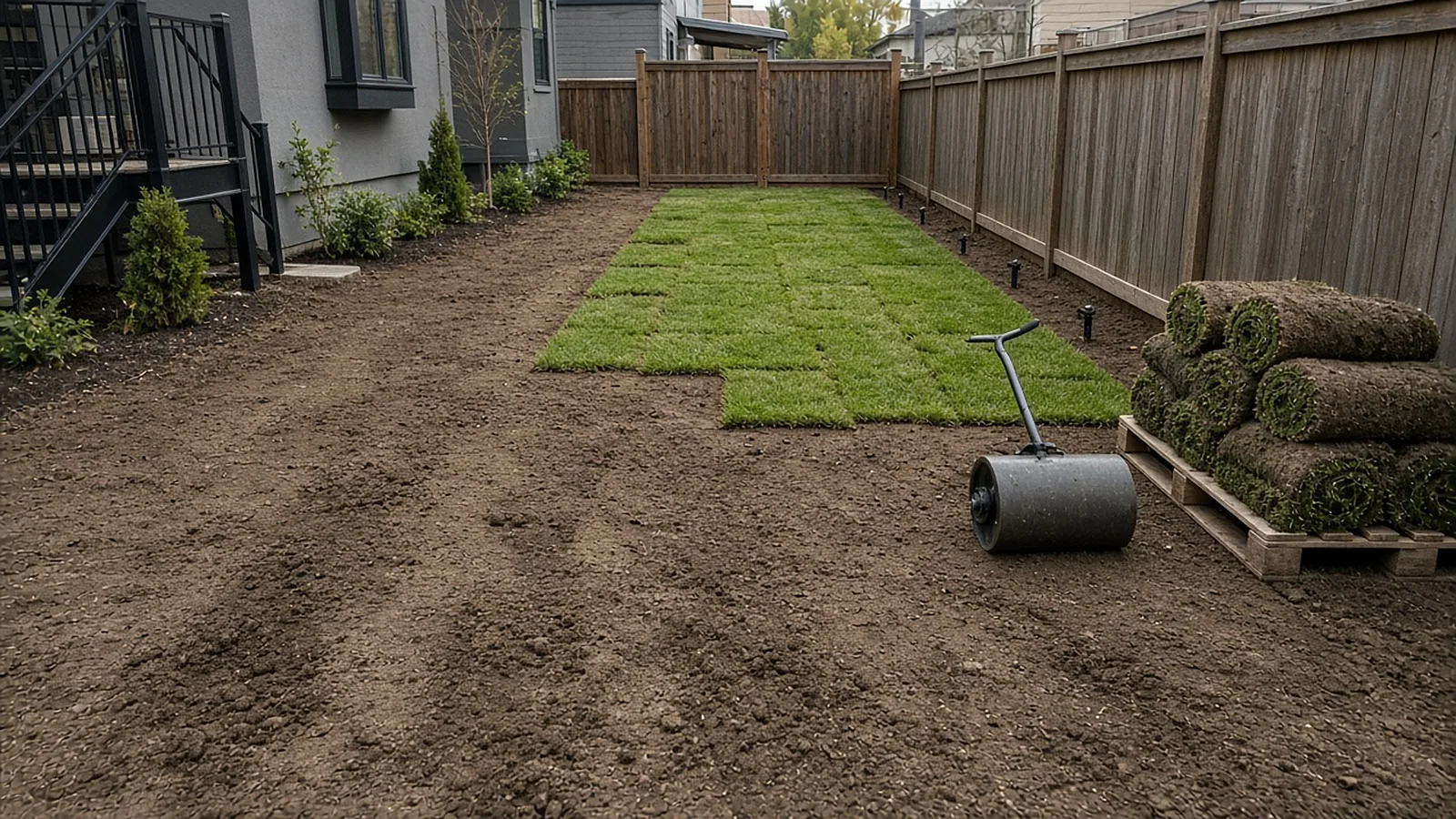
Garden City packs a lot of variety into a small footprint. Older cottages on narrow lots sit a few blocks from new infill townhomes, and many backyards are reached only through a side gate or a shared drive. That changes how a landscape gets built. Sod pallets, soil, and rock often have to move by hand cart or compact equipment instead of a full-size loader, and staging space can be a strip of driveway. On a lot this size, a poorly placed bed or a lawn panel that will not get enough sun is a large share of the whole yard, so layout decisions carry real weight.
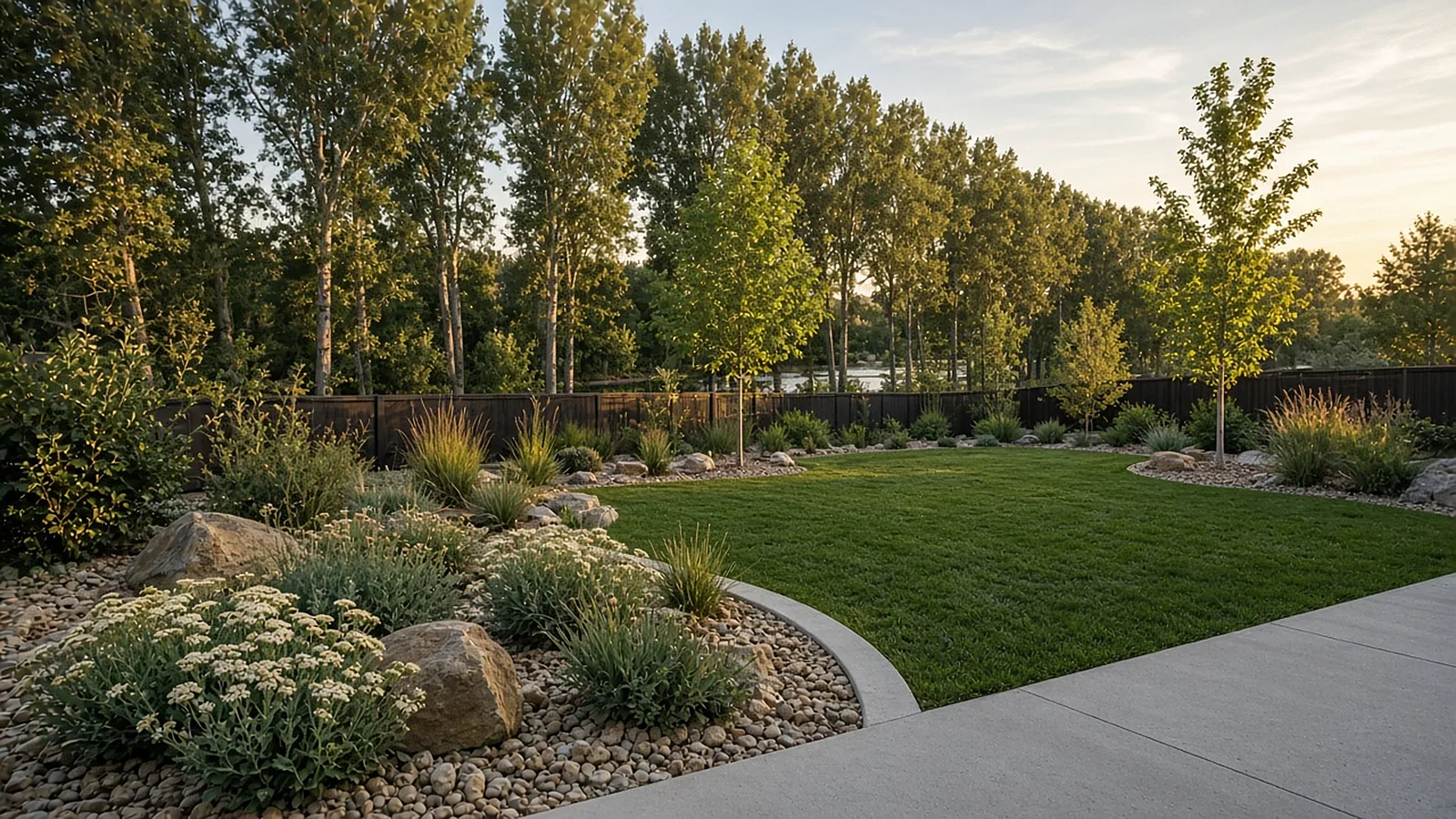
Then there is the river. Properties near the Boise River, the Greenbelt, and the Lake Harbor ponds can have groundwater sitting closer to the surface than lots farther from the water, and some sit in or near mapped floodplain areas. Sod laid over soggy, compacted subsoil tends to thin out and stay soft underfoot, and trees planted too deep in wet ground struggle to root. Before any lawn or bed goes in, the soil needs to be checked for how it drains, loosened where it is compacted, and graded so surface water moves away from the house instead of pooling in the middle of the yard.
Water source matters just as much. Some older Garden City neighborhoods still draw from canal or ditch systems, many newer developments have pressurized irrigation, and plenty of homes run entirely on municipal water. Each source shapes plant choices, how much lawn makes sense, and whether a low-water design is the smarter path. When the irrigation underneath does not match the new layout, even well-laid sod browns out at the edges. That is why the underground comes first, with irrigation and drainage in Garden City sorted out before a single roll goes down.
How Altavera handles it
We walk the lot to measure access and sun, check how the soil drains, and confirm the water source before drawing a layout. Grading and any drainage or irrigation changes happen first. Soil is amended and fine-graded, then sod, beds, trees, rock, and curbing go in last, sized to the space you actually have.