Why Garden City Walls Are Different
Flat Town, Real Grade Changes, and Water That Wants to Push Back
Garden City walls rarely fail from height; they fail from water and shortcuts on tight lots.
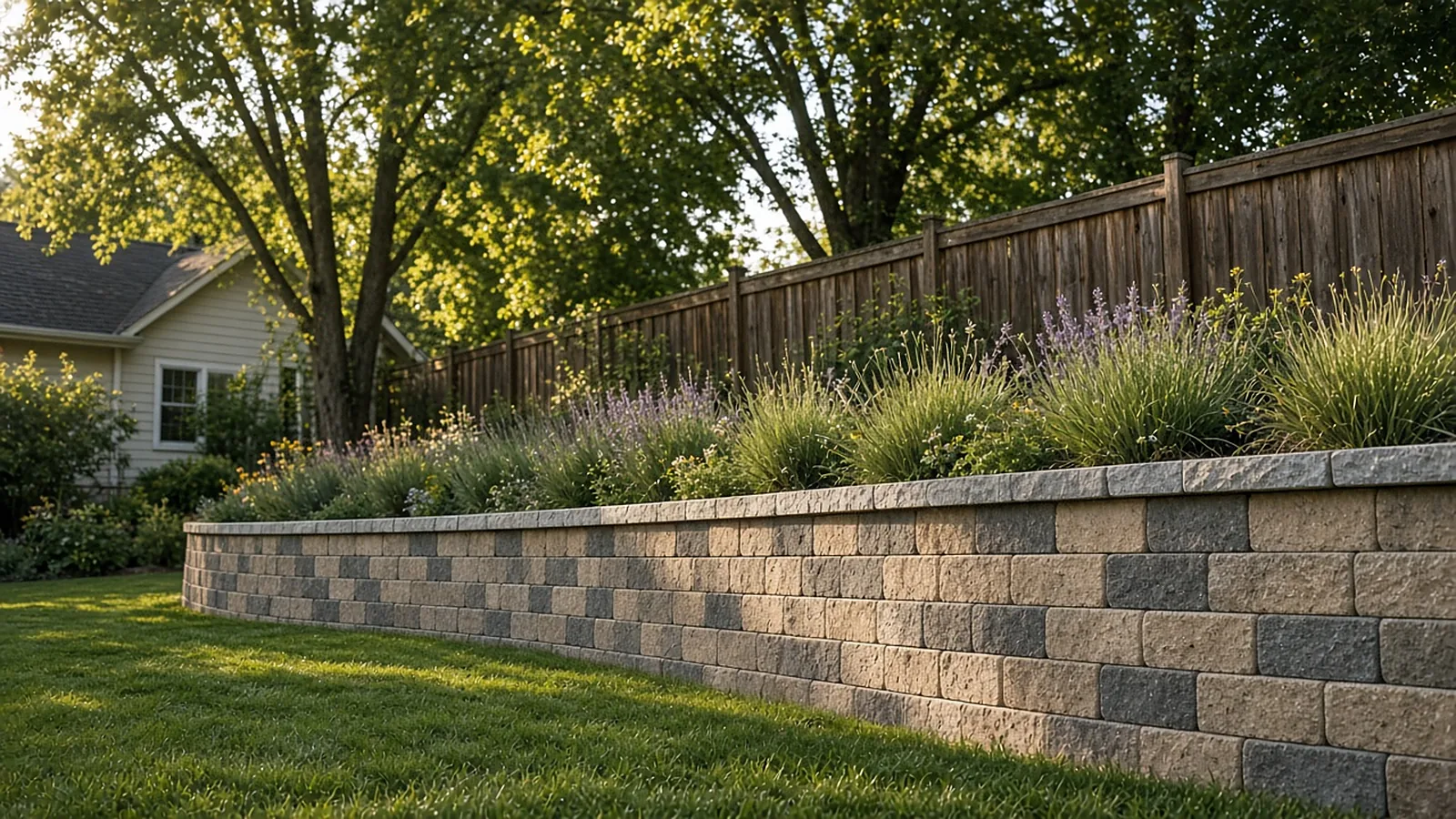
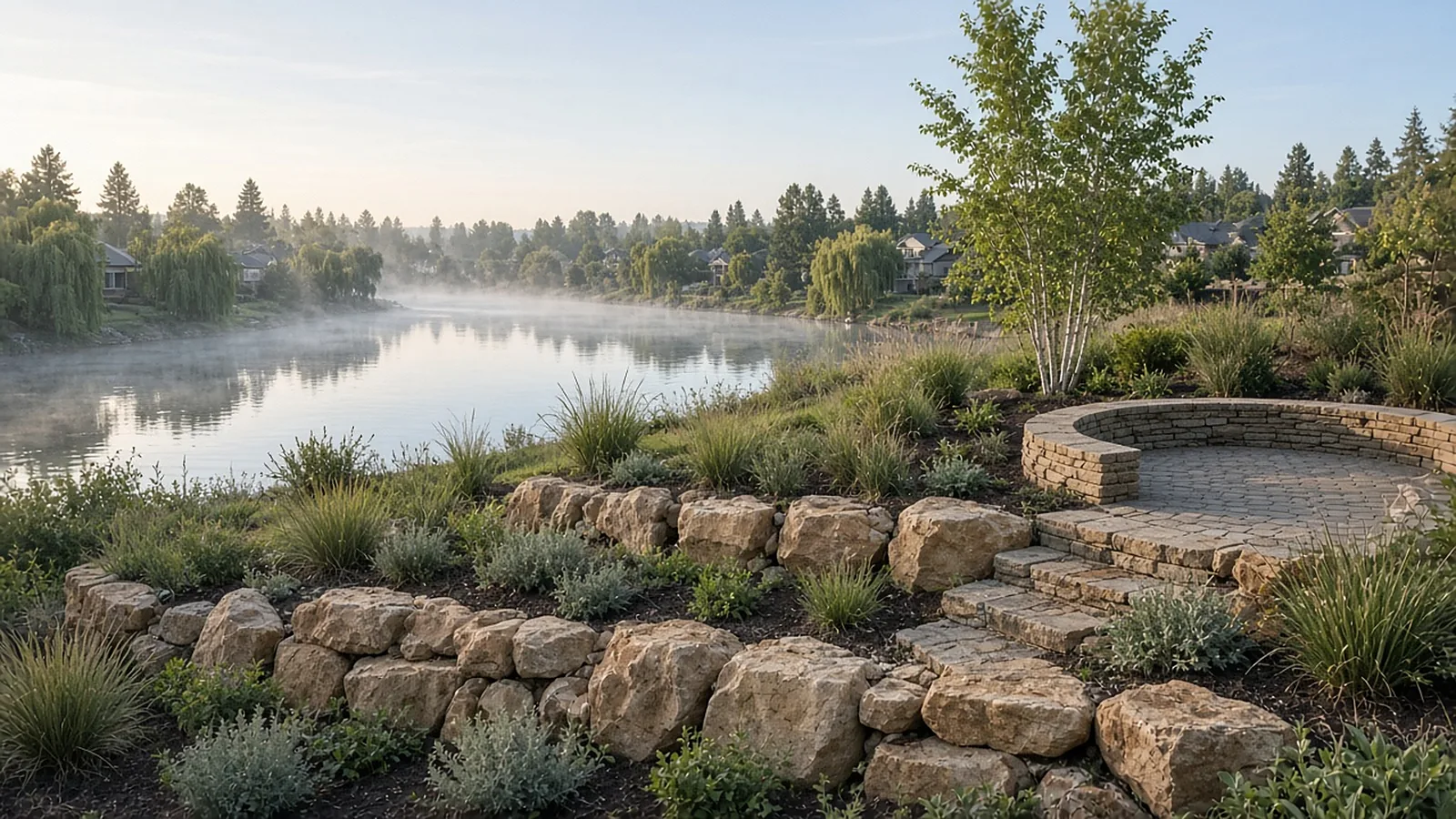
Garden City is not a hillside town, so people are sometimes surprised it needs walls at all. The grade changes here are small, but they matter: a raised bed along a fence line, a drop from a newer infill pad down to an older neighbor's yard, a slope toward a pond in Lake Harbor, or a bank easing down toward the river. On a narrow lot, a short wall can turn a strip of slope nobody uses into a flat spot for a table, a vegetable garden, or a dog run.
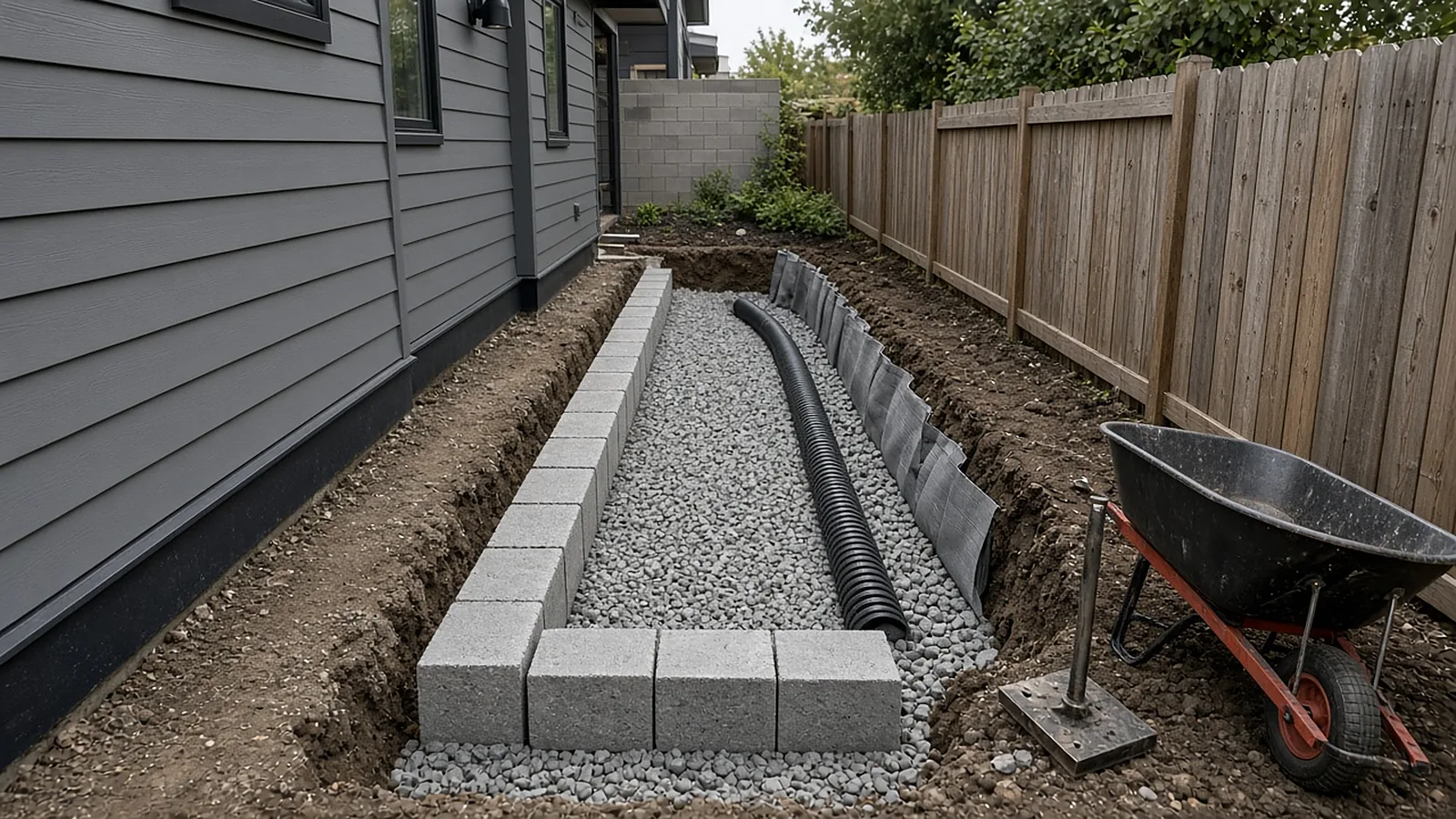
Water is the bigger issue. Neighborhoods near the Boise River and the Greenbelt can sit over higher groundwater, and some older parts of town still run canal or ditch irrigation that floods beds on a schedule. A wall that traps that moisture behind it builds pressure, then winter freezes it, and the face starts to lean or bulge. That is why drainage aggregate and a drain pipe with a real outlet go in before the first course, often planned together with irrigation and drainage work in Garden City.
Access is the third factor. Many Garden City lots have a single side gate, a shared drive, or a townhome courtyard with no room for large equipment, and block and boulders still have to reach the back. Planning the staging, the dig, and the haul route before the estimate protects a neighbor's lawn and your own landscaping. Riverfront parcels can also raise floodplain questions, so those get flagged early and checked for the specific project rather than guessed at.
How Altavera handles it
We walk the lot, find where water goes and where it sits, and check access before recommending block or stone. Drainage aggregate, drain pipe, and a compacted base go in first. Walls over certain heights, near structures, or in floodplain areas may need engineering or a permit, confirmed for your project.