The Garden City Yard Puzzle
Why Garden City Renovations Need a Different Plan, Starting Below the Surface
In Garden City, the yard you have is usually smaller, wetter, or harder to reach than it looks from the street.
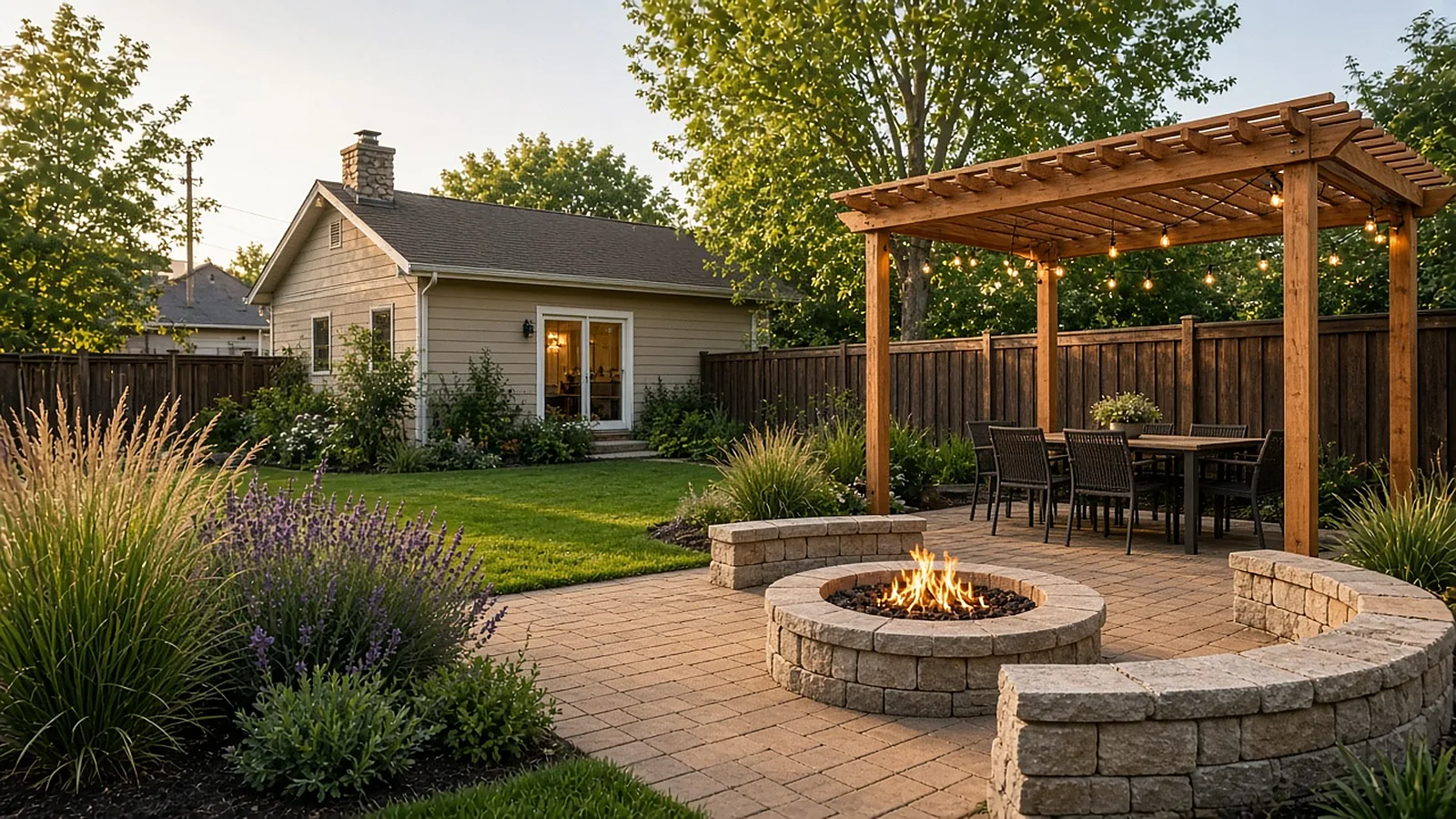
Garden City packs a lot of variety into a small footprint. An older cottage lot off Chinden Boulevard might have one side gate, a mature shade tree, and a detached shed sharing a modest yard. On parcels like that, every square foot has to earn its place, and the order of work matters even more because there is rarely room to stage materials or bring equipment in twice. A dining area, a planting bed, and a path to the back fence all compete for the same ground, so the layout has to be settled before the first trench opens.
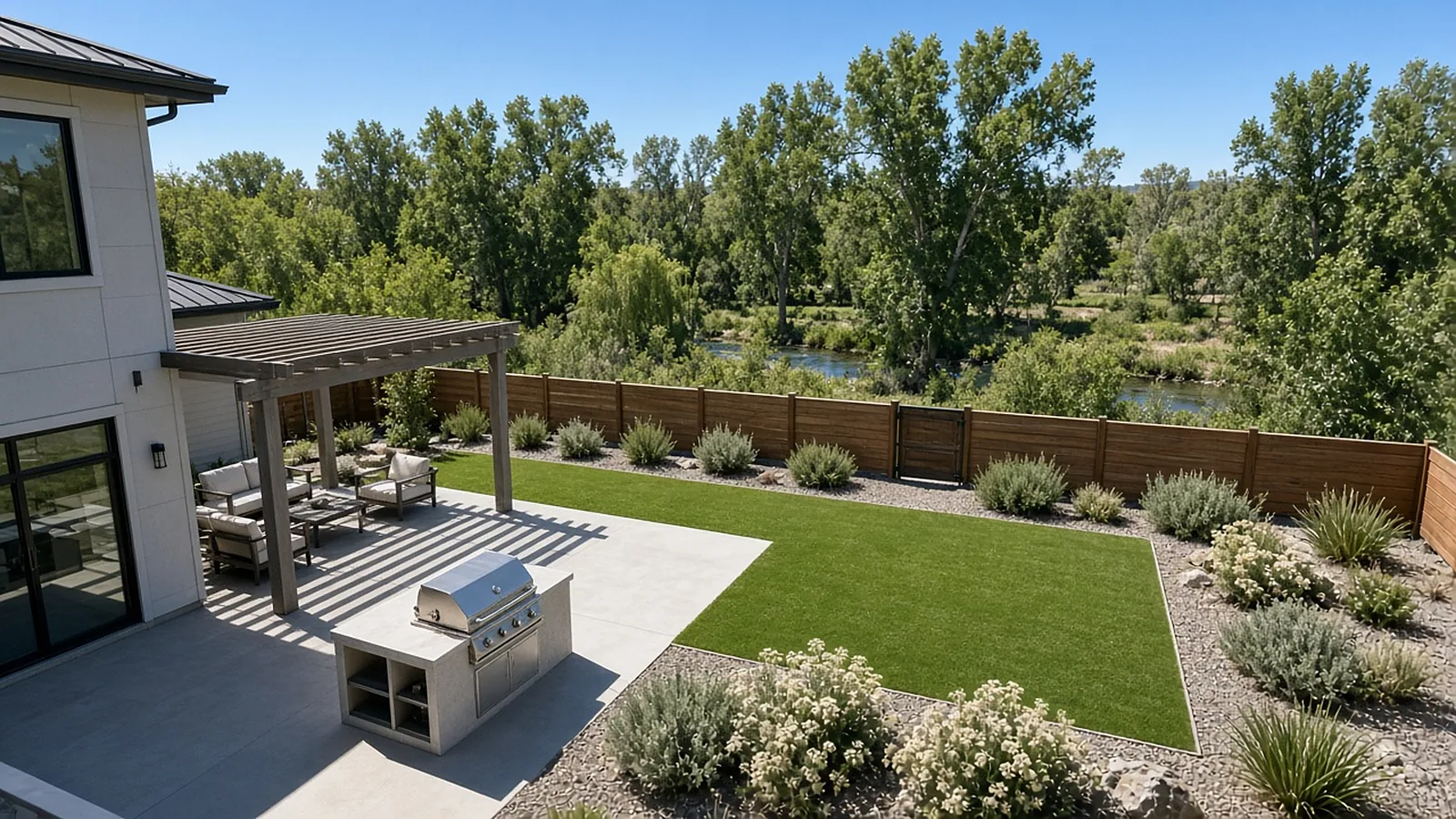
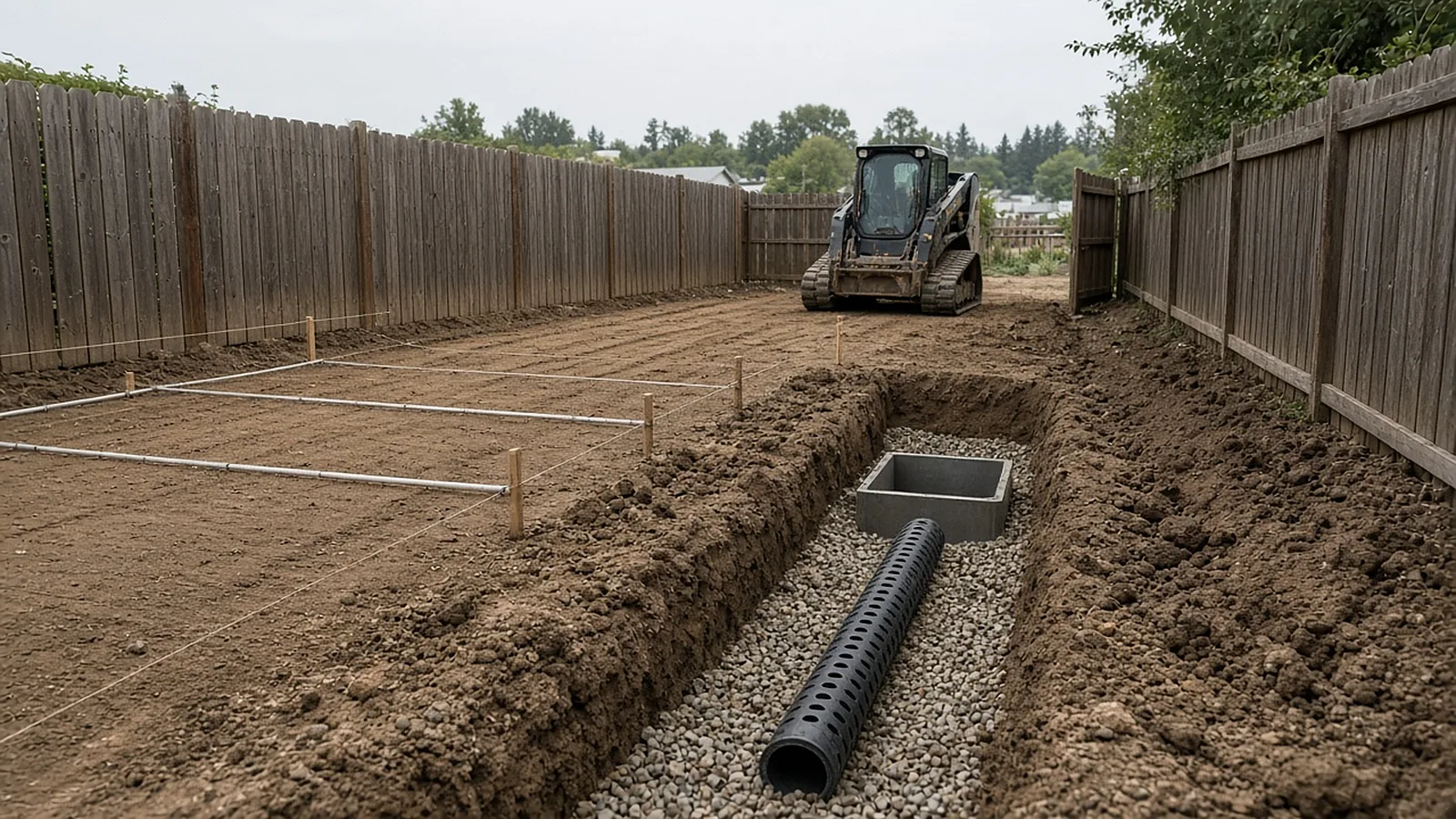
Then there is the water. Homes closer to the Boise River and the Greenbelt, and around the ponds in Lake Harbor, can deal with a higher water table and floodplain questions that higher ground elsewhere in the valley may not. Soggy low spots, slow beds, and patios that hold puddles are the usual symptoms. Grading, drainage paths, and anything buried below a new patio or kitchen have to respect where water already wants to go, and floodplain considerations get reviewed for your address before design is final. Our Garden City irrigation and drainage work starts from that same reading of the site.
Irrigation adds another layer. Some older Garden City neighborhoods still rely on canal or ditch water, newer developments often run pressurized irrigation, and plenty of homes are on municipal water alone. Each source changes how a renovated yard should be zoned, filtered, and controlled, and it shapes which lawn, planting, and turf choices make sense. A full renovation is the right moment to sort it out, because valves, sleeves under hardscape, and controller wiring are far easier to place while the yard is open than after pavers and sod are down.
How Altavera approaches it
We walk the lot first: gate width, overhead lines, low spots, the irrigation source, and how water leaves the property. Drainage and grading lead the build, underground lines and sleeves follow, then hardscape and structures, then planting and finish. One project contact keeps every phase coordinated so no finished area gets torn up later.