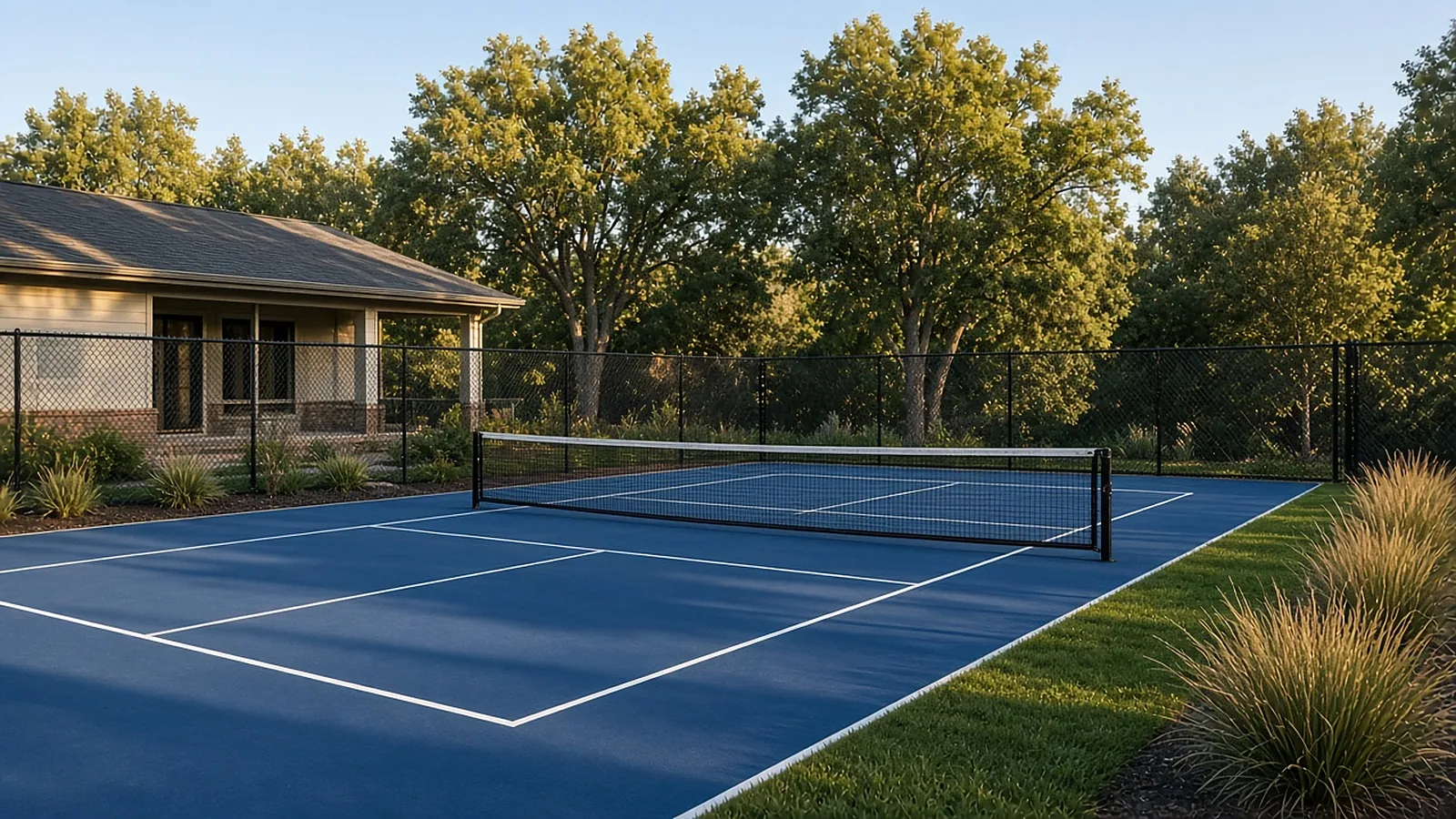
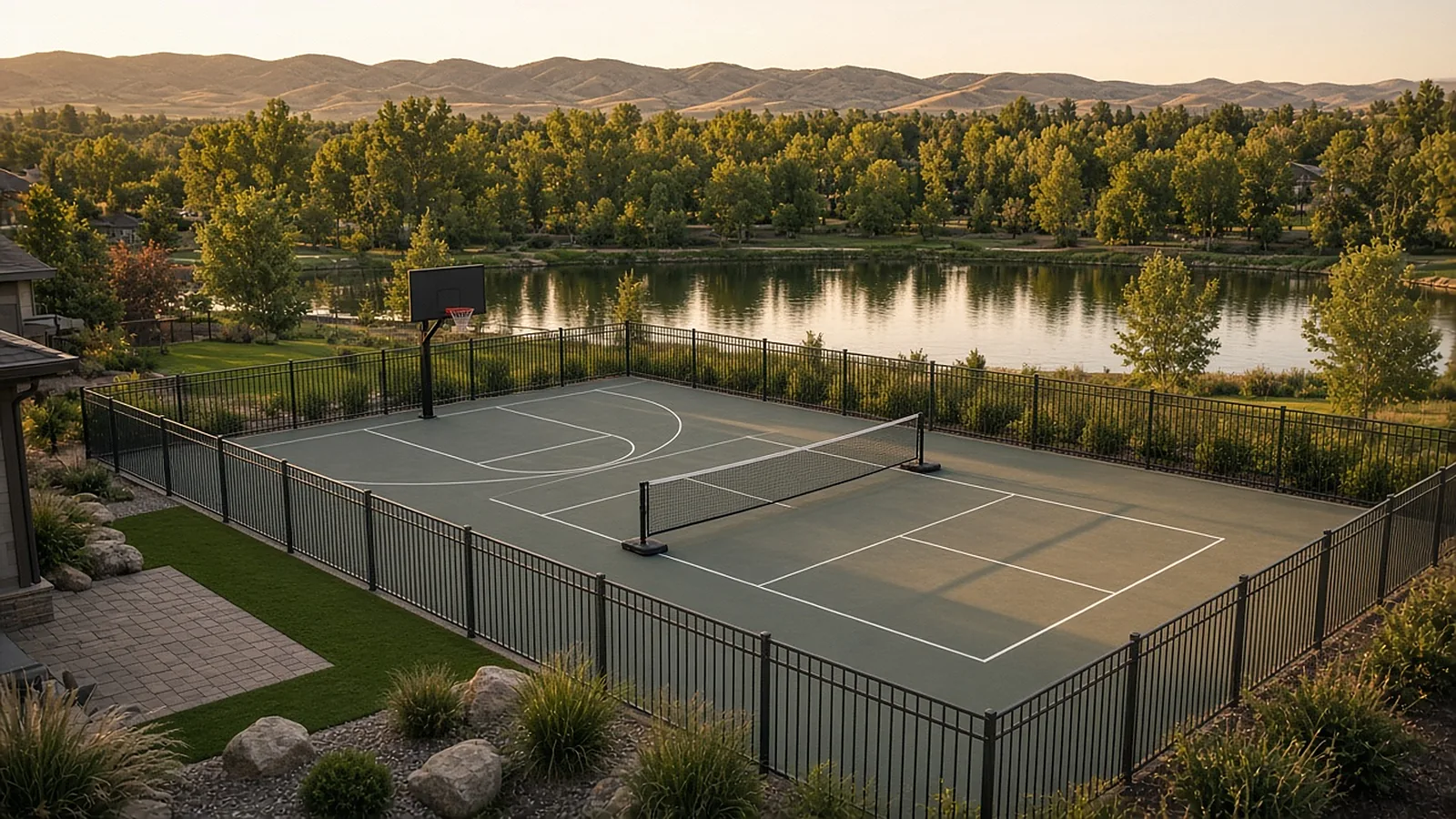
The Garden City Court Challenge
Small Lots, River Ground, and a Court That Has to Stay Flat
A playable court is a large, flat, hard surface, and Garden City yards rarely offer that space without some work first.
Garden City fits a lot of variety into a small footprint. Older cottages off the side streets sit on modest lots, newer infill and townhomes along the river tend to have compact yards, and many properties have only a side gate or a narrow strip between the house and the fence. A full pickleball court takes up a big share of a yard like that, so the layout has to account for fence clearance, setbacks, and the route a skid steer and concrete delivery can actually take. Sometimes a scaled practice court or a multi-use pad is a better fit than full dimensions.
Water is the other big variable. Near the Boise River and the Greenbelt, and around the ponds in Lake Harbor, groundwater can sit closer to the surface, and some parcels raise floodplain questions that affect what the city reviews. A slab poured over wet, poorly prepared ground goes through freeze-thaw movement every winter. That shows up as cracks, heaving, and low spots that hold water on the playing surface. The court has to shed water, and the water needs somewhere to go besides the neighbor's yard or your foundation. Our Garden City irrigation and drainage work often starts here.
Then there are the details people tend to notice later. Some older Garden City yards still carry canal or ditch irrigation, while newer developments run pressurized irrigation, and either system may have lines crossing right where the court should go. HOAs in planned communities may want to see plans, fence heights, and colors before anything is built. Afternoon sun and wind change how a court plays, and on closely spaced lots it helps to think about where play sits relative to neighboring windows and patios. None of these are deal breakers. They just need answers before the slab is formed.
How Altavera approaches it
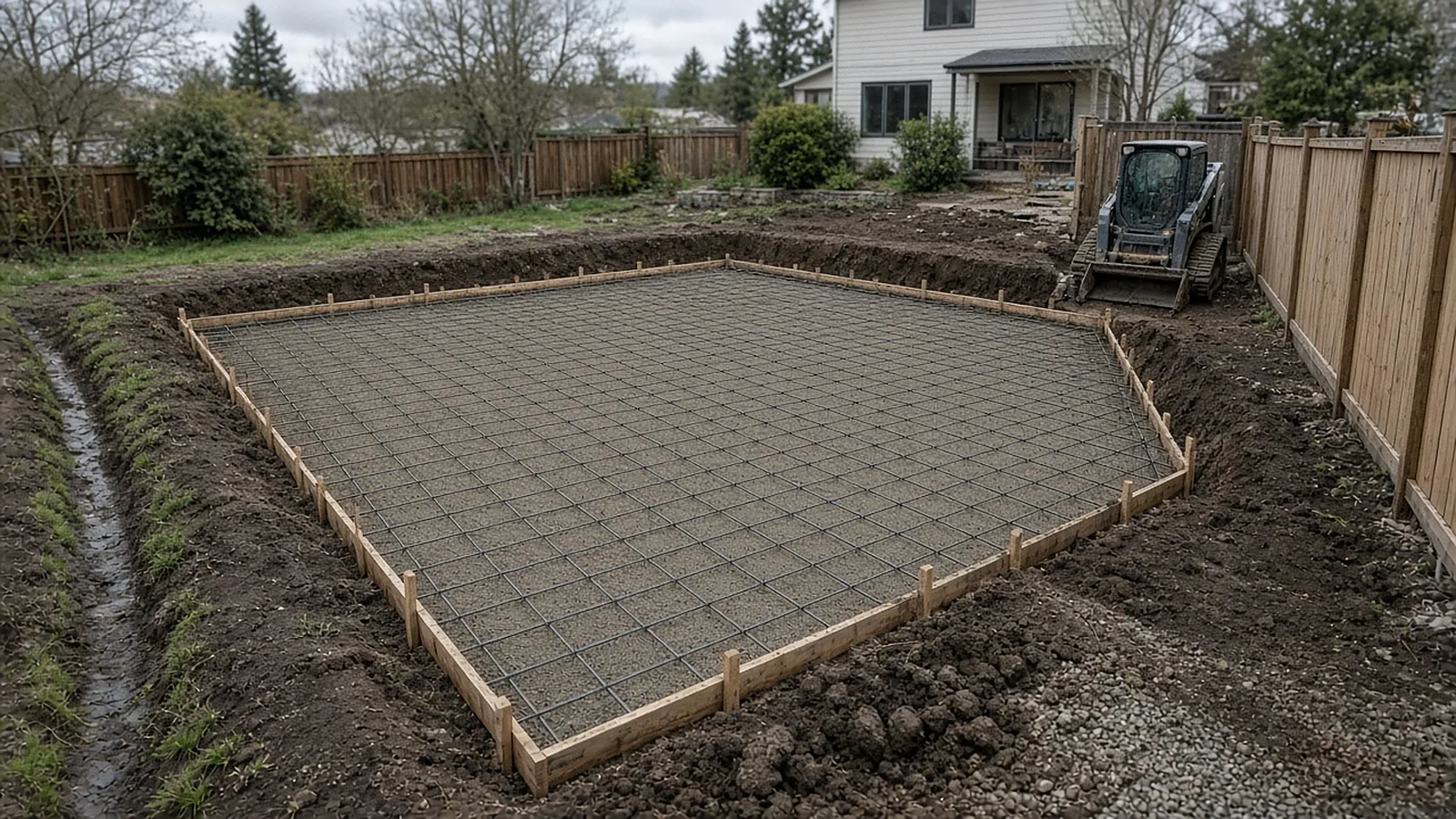
We walk the lot first and check access, grade, signs of groundwater, irrigation lines, and HOA requirements. Grading and drainage are set before any forms go in. The base is built and compacted for freeze-thaw, and the slab is pitched so water leaves the court. Fencing, surfacing, lines, and nets come after that, all under one contract.