The Emmett Soil and Water Puzzle
Why Emmett Lawns Struggle, and What Has to Happen Underneath
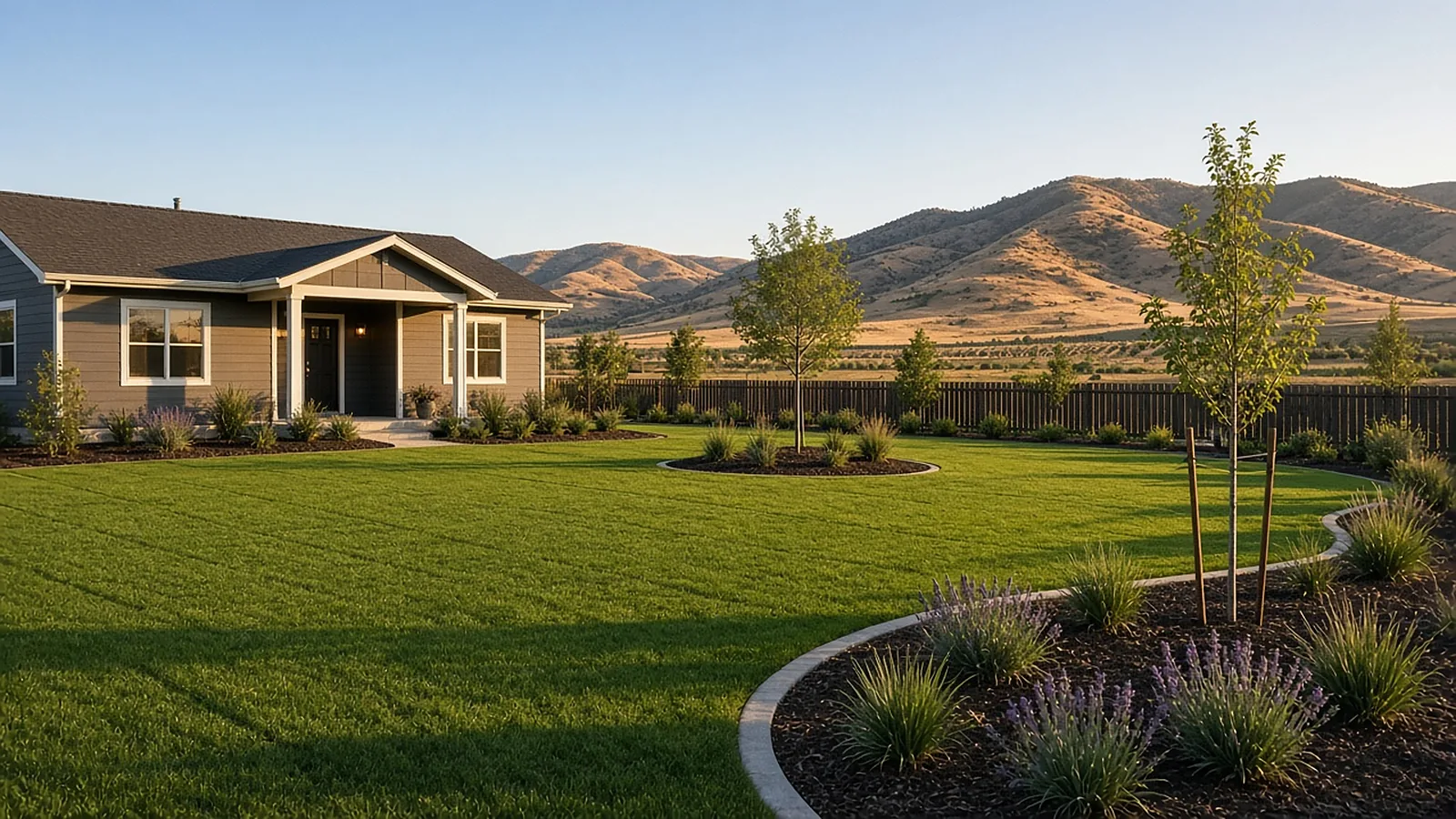
In the Emmett Valley, a thin or patchy lawn usually traces back to the soil and the water supply, not the sod itself.
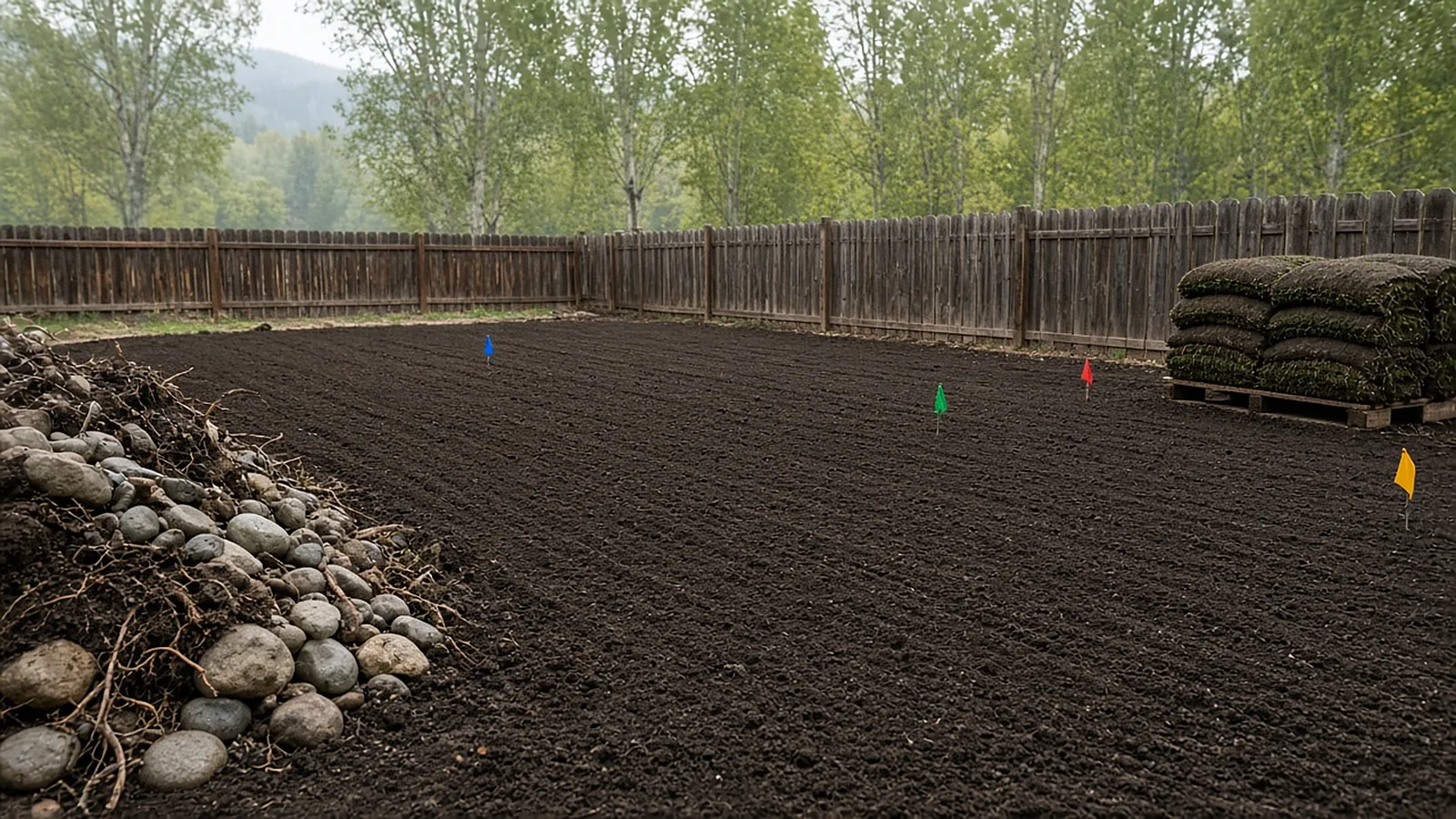
Plenty of Emmett yards sit on ground that once grew something else. Former orchard parcels can hold old root systems, compacted tractor rows, and soil that was worked hard for decades and then left alone. Closer to the Payette, river-bottom soils may be fine and silty in one corner and packed with rounded gravel a few yards away. Sod laid over that kind of mix roots unevenly: lush where topsoil runs deep, thin and stressed where cobble sits just under the surface. A uniform lawn depends on reading the soil across the whole lot and building a consistent root zone first.
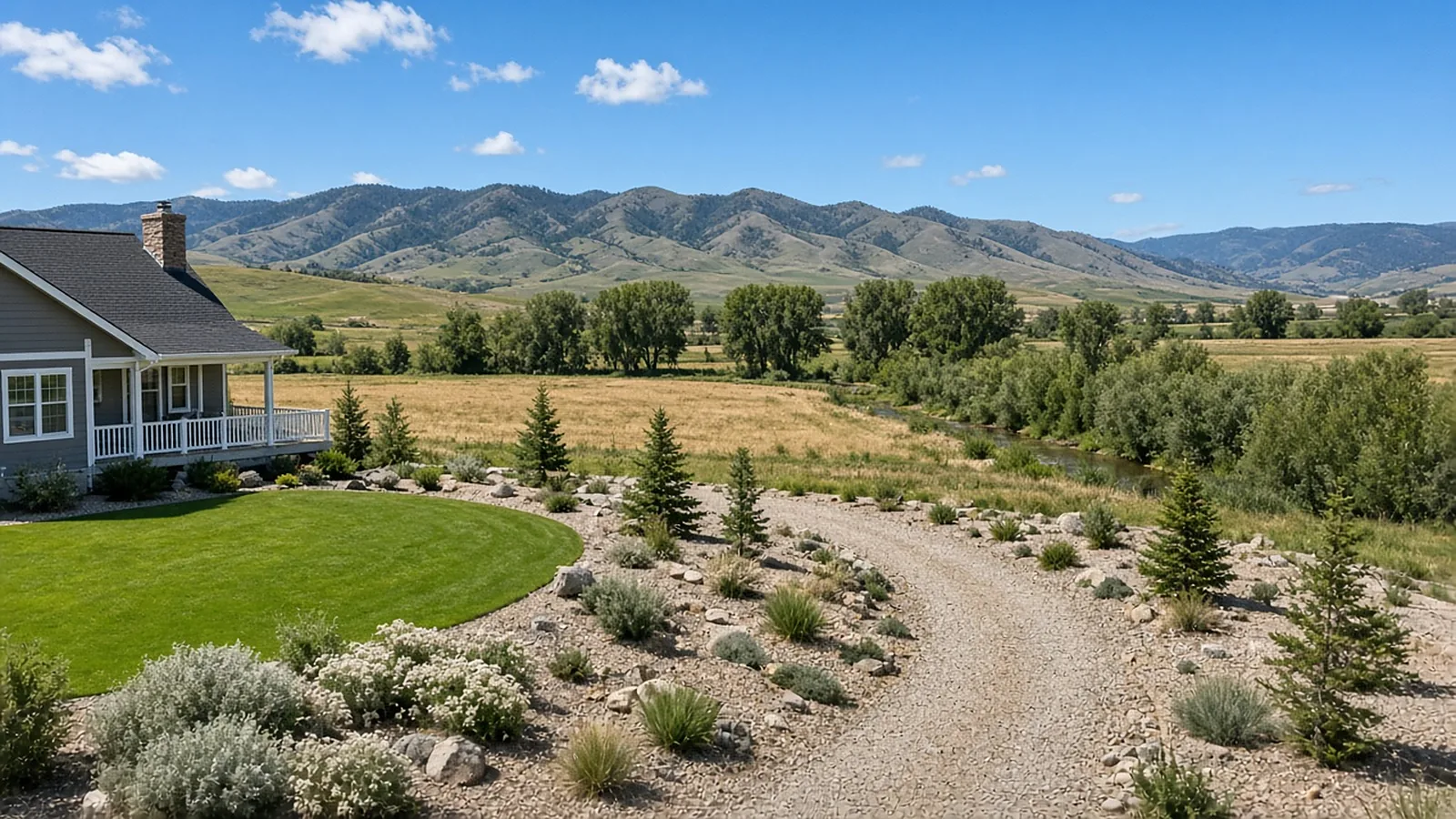
Water is the other half of the picture. Many valley properties run on irrigation-district or ditch water, which is seasonal, and rural lots on wells have their own limits on volume and pressure. New sod is thirsty while it establishes, and a lawn sized for a city lot can outrun a modest well or a short ditch season. So lawn size and plant selection get planned around the water source. On acreage, drought-tolerant beds and rock often cover the outer areas while turf stays close to the house. Some owners skip living grass in tight spots and look at artificial turf in Emmett.
Then there is the weather and the terrain. Emmett sits a little lower than Boise, but winters still bring repeated freeze-thaw cycles, and summers run hot and dry on the valley floor. Foothill and bench lots add slope, so irrigation and rain run off before soaking in, and topsoil drifts toward the low side of the yard. Older in-town homes often have tired lawns with settled spots and crumbling edges, while newer subdivisions tend to hand over compacted, builder-grade dirt. Each of those starting points calls for different grading, amendment, and plant choices.
How Altavera handles it
We start below the surface. On the site walk we check soil, slope, and water source, then grade and amend the ground, confirm drainage and irrigation are working, and only then install sod, beds, trees, and rock. Lawn size and plant choices are scaled to the water the property actually has.